
Bringing home a new puppy, kitten, or adopted pet is exciting, but scheduling that first vet visit is one of the most important steps you can take. A proper first vet visit checklist for a new family pet helps you stay organized, ask the right questions, and protect your pet’s long-term health.
In this guide, we’ll walk pet owners through exactly what to bring, what to expect, and how to prepare your new companion for a positive veterinary experience.
Why the First Vet Visit Is So Important
Your pet’s first veterinary appointment sets the foundation for lifelong health. Whether you adopted from a shelter in Randolph County or purchased from a breeder nearby, early evaluation ensures your pet is healthy and on track.
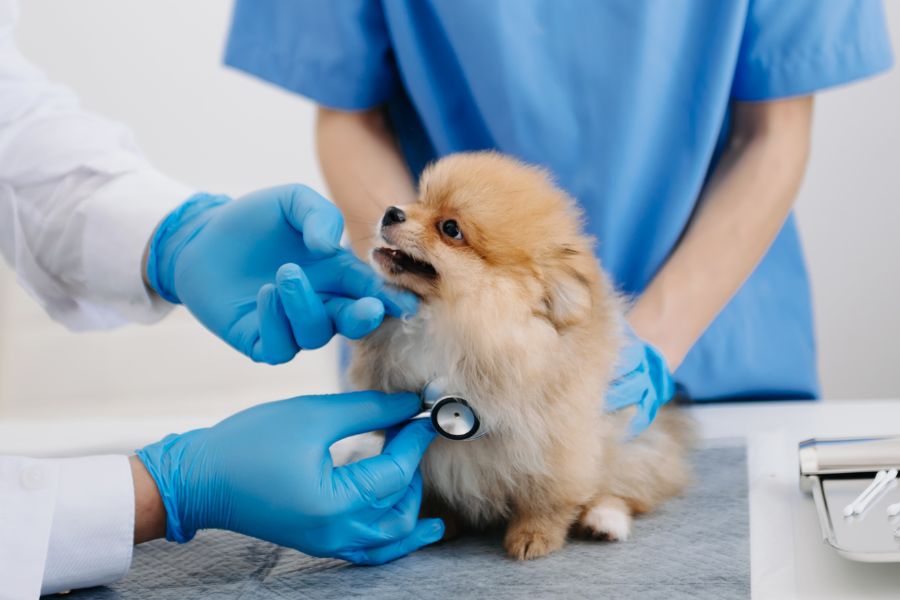
During this visit, your veterinarian will:
- Perform a comprehensive physical exam
- Review vaccination needs
- Check for parasites
- Discuss nutrition and behavior
- Establish a preventive care plan
Early detection of health issues can prevent costly emergencies later. Puppies and kittens grow quickly, and the first few months are critical for development.
First Vet Visit Checklist for a New Family Pet
Preparing in advance makes the appointment smoother and less stressful for you and your pet.
1. Bring Medical Records
If your pet came from:
- A breeder
- A shelter or rescue
- Another veterinary clinic
Bring any paperwork you received. This may include:
- Vaccination history
- Deworming treatments
- Microchip information
- Spay/neuter records
If you don’t have records, don’t worry, your vet can create a new health plan.
2. Collect a Stool Sample
It may sound unpleasant, but a fresh stool sample (within 24 hours) helps your vet check for intestinal parasites.
Common parasites include:
- Roundworms
- Hookworms
- Whipworms
- Giardia
Early treatment prevents spread to other pets and even humans.
What to Expect During the Appointment
Knowing what happens during a first vet visit helps ease anxiety.
Comprehensive Physical Exam
Your veterinarian will examine:
- Eyes and ears
- Teeth and gums
- Skin and coat
- Heart and lungs
- Abdomen
- Weight and body condition
For puppies and kittens, growth and development are carefully evaluated.
Vaccinations
Core vaccines protect against serious diseases. For dogs, this often includes:
- Rabies
- Distemper
- Parvovirus
- Adenovirus
For cats:
- Rabies
- Feline viral rhinotracheitis
- Calicivirus
- Panleukopenia
Missouri law requires rabies vaccination for dogs and cats, so this is typically discussed early.
Common Health Concerns in Missouri Pets
Living in central Missouri brings unique considerations. Your first vet visit checklist for a new family pet should include a discussion of regional risks.
Tick and Flea Prevention
Missouri’s warm seasons increase tick exposure. Ticks can transmit Lyme disease and other infections. Year-round prevention is often recommended even during cooler months.
Heartworm Disease
Heartworms are transmitted by mosquitoes, which are common near wooded and rural areas.
Prevention is:
- Safe
- Affordable
- Far less costly than treatment
Your veterinarian will recommend monthly prevention options.
Preparing Your Pet Emotionally
A positive first visit builds trust with your veterinarian.
Tips for Puppies
- Avoid feeding a large meal right before the visit
- Bring favorite treats
- Use a secure leash
- Stay calm pets sense your mood
Tips for Kittens
- Use a sturdy carrier
- Line it with a familiar blanket
- Keep noise and movement minimal
- Avoid letting kittens roam in the waiting room
Microchipping and Identification
Microchipping provides permanent identification if your pet ever gets lost. While collars and tags are helpful, they can fall off.
Pets sometimes wander into neighboring properties or farmland. A microchip greatly increases the chance of safe return.
Nutrition and Growth Guidance
Your first vet visit is the perfect time to discuss feeding.
Important topics include:
- Age-appropriate diet
- Portion sizes
- Weight monitoring
- Treat recommendations
Growing puppies and kittens need balanced nutrition to support bone and immune development. Your veterinarian can recommend trusted brands and feeding schedules.
Spay and Neuter Planning
Spaying or neutering prevents unwanted litters and reduces certain health risks.
Benefits include:
- Reduced risk of reproductive cancers
- Decreased roaming behavior
- Lower aggression in some pets
Your vet will advise the appropriate timing based on breed, size, and lifestyle.
Building a Long-Term Relationship with Your Vet
Your first appointment is more than just vaccines; it establishes ongoing care.
Routine visits allow your veterinarian to:
- Track growth
- Catch illness early
- Adjust preventive care plans
- Provide behavioral guidance
At Green Hills Veterinary Clinic in Moberly, our vet team focuses on compassionate, family-centered care that helps new pet owners feel confident from day one.
Conclusion
Your new pet’s first veterinary visit is one of the most important milestones in their life. With the right preparation, you can turn it into a smooth, positive experience that sets the tone for years of healthy companionship.
If you’ve recently welcomed a puppy or kitten into your home in Moberly, schedule their first exam today. The team at Green Hills Veterinary Clinic is here to guide you every step of the way because healthy pets start with proactive care. Book your appointment today and give your new family member the best possible start.
FAQs
Q1: When should I schedule my new pet’s first vet visit?
Ans: Schedule within the first week of bringing your pet home. Puppies and kittens under 16 weeks often need immediate vaccine planning.
Q2: How long does a first vet appointment take?
Ans: Most first visits last 30–45 minutes, allowing time for exam, vaccines, and questions.
Q3: Do I need to fast my pet before the first vet visit?
Ans: No, unless instructed otherwise. However, avoid heavy meals right before travel to prevent nausea.
Q4: How much does a first vet visit cost in Missouri?
Ans: Costs vary depending on vaccines and testing, but initial visits typically include exam fees plus vaccine and diagnostic charges.
Q5: What if my pet seems nervous at the clinic?
Ans: That’s normal. Bring comfort items and treats, and choose a calm veterinary team experienced with first-time visits.