
As dogs age, their immune systems slow down, their skin becomes more sensitive, and underlying health issues may develop. That’s why flea prevention for senior dogs requires a more thoughtful, gentle approach than it does for younger pets.
In this guide, we’ll walk you through safe flea control options, warning signs of flea problems in older dogs, and how to protect your aging companion during changing seasons.
Why Flea Prevention for Senior Dogs Requires Extra Care
Senior dogs often face conditions like arthritis, kidney disease, diabetes, or heart concerns. These health changes can make them more sensitive to certain flea medications.
Unlike puppies or young adults, older dogs may:
- Have thinner, more fragile skin
- Be on multiple medications
- Have weakened immune responses
- Experience slower healing from skin irritation
A simple flea infestation can quickly escalate into:
- Severe itching and scratching
- Skin infections
- Hair loss
- Flea allergy dermatitis
- Anemia in extreme cases
Because of this, flea prevention for senior dogs should focus on both safety and effectiveness.
Common Signs of Fleas in Senior Dogs
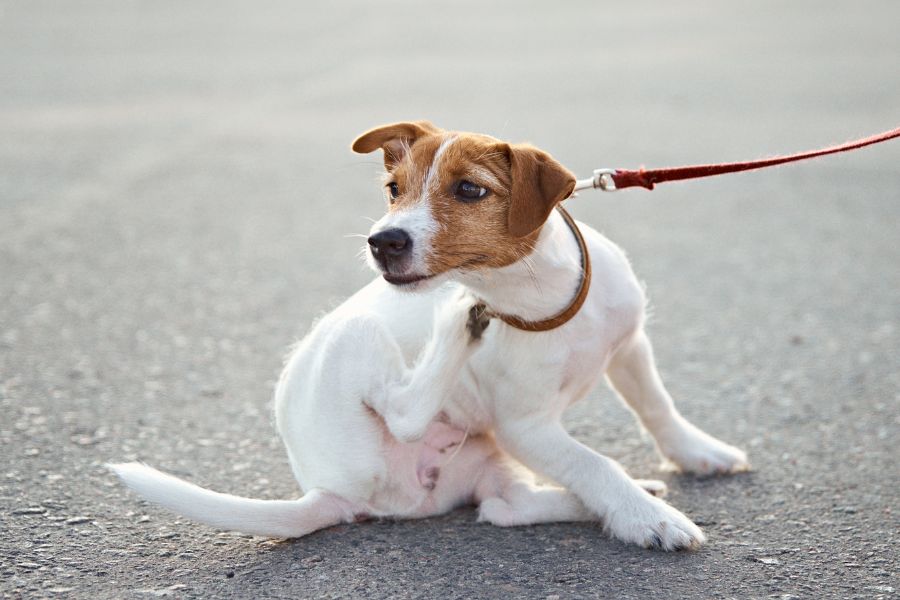
Older dogs may not scratch as aggressively as younger ones, so flea infestations can sometimes go unnoticed. Watch for:
- Subtle restlessness
- Increased licking, especially near the base of the tail
- Red or irritated skin
- Small black specks (flea dirt)
- Sudden hair thinning
Flea activity often increases during warm, humid months, especially in late spring and summer when outdoor exposure rises.
Best Flea Prevention Options for Senior Dogs
When choosing flea control for aging pets, safety is the top priority. Below are the most commonly recommended options.
1. Oral Flea Preventatives
Modern chewable tablets can kill fleas quickly and effectively. These are often preferred because:
- They don’t sit on sensitive skin
- They work systemically
- They are easy to administer
However, dosage adjustments may be necessary if your senior dog has liver or kidney disease.
2. Topical Flea Treatments
Spot-on treatments can still be safe for older dogs, but:
- Skin sensitivity should be evaluated first
- Application should avoid irritated areas
- Veterinary guidance is strongly recommended
3. Flea Collars (With Caution)
Some newer flea collars release low-dose medication over time. While convenient, they may not be ideal for dogs with skin issues or sensitivities.
4. Prescription Flea Prevention
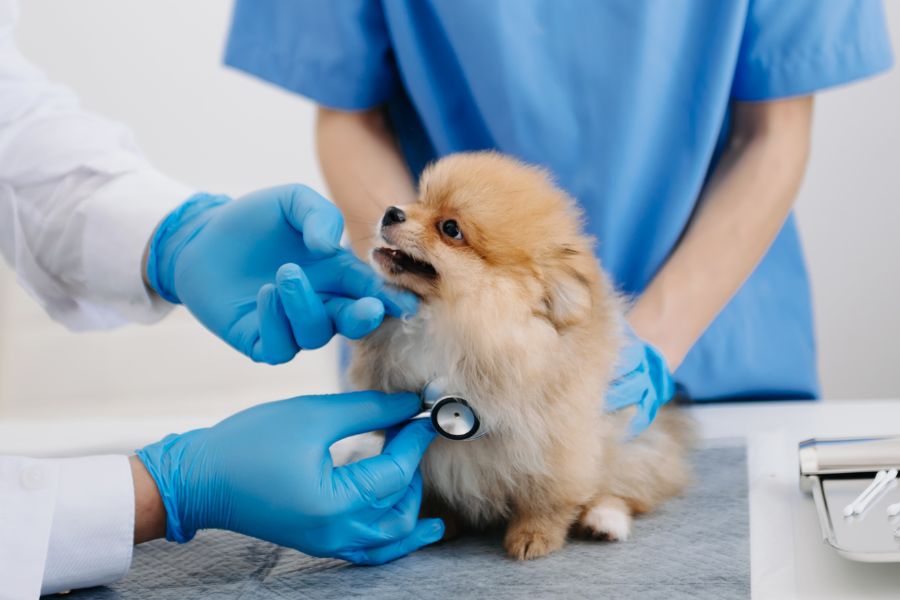
For senior dogs with medical conditions, prescription options are often the safest route. A veterinarian can assess:
- Drug interactions
- Organ function
- Weight and metabolism changes
This ensures flea prevention for senior dogs is tailored to the individual.
Natural Flea Prevention: Is It Safe for Senior Dogs?
Many pet owners ask about natural flea control. While certain approaches can help reduce exposure, they rarely eliminate infestations alone.
Gentle supportive measures include:
- Regular bathing with mild, vet-approved shampoo
- Frequent brushing with a flea comb
- Washing bedding weekly in hot water
- Vacuuming carpets and furniture
Be cautious with essential oils or DIY remedies. Older dogs can be more sensitive to concentrated natural products, and some ingredients may be toxic.
How Fleas Impact Older Dogs Differently
Fleas can cause more serious complications in senior pets due to their age-related vulnerabilities.
Flea Allergy Dermatitis
Older dogs may develop intense allergic reactions to flea saliva, leading to:
- Severe itching
- Open sores
- Secondary bacterial infections
Anemia Risk
Although uncommon, heavy infestations can lead to blood loss—especially in small or frail senior dogs.
Worsening of Chronic Conditions
Stress from itching and inflammation can aggravate:
- Arthritis pain
- Heart conditions
- Immune disorders
That’s why consistent flea prevention for senior dogs is far safer than treating an active infestation.
Seasonal Flea Risks
Missouri’s climate creates an ideal breeding ground for fleas. In Moberly and surrounding Randolph County areas:
- Warm springs accelerate flea reproduction
- Humid summers sustain populations
- Mild fall weather can extend flea season
Even indoor dogs are not immune. Fleas can enter homes through:
- Other pets
- Visitors’ clothing
- Wildlife in yards
Year-round flea prevention is typically recommended—even during cooler months.
When to Adjust Flea Prevention in Senior Dogs
As dogs transition into their senior years (usually around age 7 and older), flea prevention plans may need reassessment.
You should consult your veterinarian if your dog:
- Develops a new medical diagnosis
- Starts new medications
- Experiences unexplained lethargy
- Shows skin reactions after flea treatment
Routine bloodwork can help ensure chosen medications remain safe.
Creating a Gentle Flea Prevention Plan
The safest strategy includes a combination of:
- Veterinary-approved preventive medication
- Regular physical inspections
- Clean home environment
- Annual or biannual wellness exams
At Green Hills Veterinary Clinic, senior wellness visits often include discussions about parasite prevention tailored to your dog’s age and medical history.
A personalized plan helps reduce:
- Risk of side effects
- Drug interactions
- Breakthrough infestations
Environmental Control Matters
Treating your dog alone isn’t enough. Up to 95% of fleas live in the environment (eggs, larvae, pupae).
To protect senior dogs:
- Vacuum twice weekly during peak seasons
- Treat yards if infestations are severe
- Wash bedding frequently
- Maintain short grass in outdoor areas
A comprehensive approach ensures lasting results.
Is Year-Round Flea Prevention Necessary?
Yes. Even in winter, fleas can survive indoors in heated homes. Consistency prevents:
- Reinfection cycles
- Allergic flare-ups
- Complications from heavy infestations
Stopping and restarting flea prevention can leave senior dogs vulnerable during transitional seasons.
Final Thoughts:
Flea prevention for senior dogs requires thoughtful care, consistent protection, and professional guidance. Aging pets deserve comfort, and preventing itchy, painful infestations is one of the simplest ways to protect their quality of life.
If your senior dog needs a customized parasite prevention plan, schedule an appointment with Green Hills Veterinary Clinic today. Our vet team is here to help your dog stay healthy, comfortable, and flea-free all year long.
FAQs
1. What is the safest flea prevention for senior dogs?
Ans: Prescription oral or topical preventatives recommended by your veterinarian are typically the safest option, especially when tailored to your dog’s health conditions.
2. Can flea medication harm older dogs?
Ans: Some medications may cause side effects if not properly dosed. Senior dogs with kidney, liver, or heart conditions should always be evaluated before starting new flea treatments.
3. How often should senior dogs receive flea prevention?
Ans: Most flea preventatives are given monthly, though some last longer. Year-round prevention is recommended in climates like Moberly, MO.
4. Are natural flea remedies effective for senior dogs?
Ans: Natural methods can reduce exposure, but usually do not eliminate infestations on their own. Veterinary-approved products are more reliable for complete protection.
5. Do indoor senior dogs need flea prevention?
Ans: Yes. Fleas can enter homes through clothing, visitors, or other animals. Indoor dogs remain at risk year-round.