

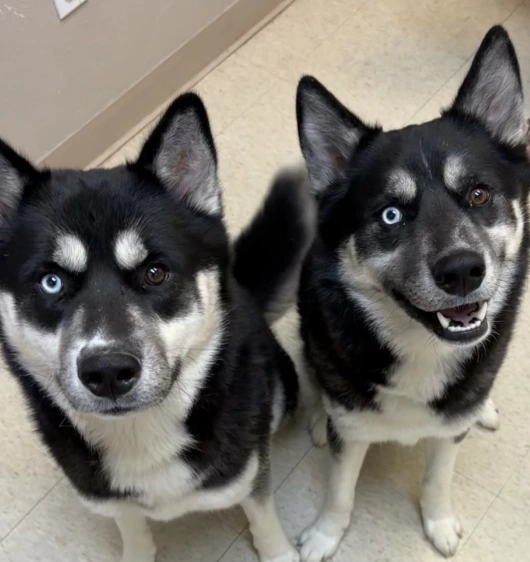
Preventative Pet Care for a Healthier, Happier Life
As pet owners, we want to ensure that our furry friends live long, healthy lives. One of the best ways to do this is through preventative pet care. By taking proactive measures to keep our pets healthy, we can save ourselves and our pets from potential health issues and costly vet bills.
Pets need regular check-ups to maintain their health. It is recommended to take your pet to the vet at least once a year for a wellness exam. During this visit, the vet will perform a physical exam, check for any underlying health issues, and administer any necessary vaccinations. These regular visits can help catch any potential health problems early on and prevent them from becoming more serious.

Vaccinations
Pets are susceptible to a variety of diseases that can be prevented through vaccinations. These diseases can be highly contagious and even life-threatening, making it crucial to protect your pet through proper vaccination.
Vaccinations work by introducing a small amount of a disease-causing agent into your pet’s body, which triggers their immune system to produce antibodies to fight off the disease. This way, if your pet is ever exposed to the actual disease, their body will be prepared to fight it off.
Parasite Testing and Prevention
Parasites are organisms that live on or inside another organism, known as a host. They can cause a variety of health issues for your pet, including weight loss, anemia, and even death. Some parasites can also be transmitted to humans, making it important to not only protect your pet but also your family.
FIV and FeLV
What is FIV?
FIV, or Feline Immunodeficiency Virus, is a virus that affects cats worldwide. It is similar to the human virus HIV, but it cannot be transmitted to humans. FIV attacks the immune system, making cats more susceptible to infections and illnesses.

Microchipping
Microchipping is the process of inserting a small, electronic chip under the skin of an animal. The chip, about the size of a grain of rice, contains a unique identification number that can be scanned by a microchip reader. This number is then linked to the owner’s contact information in a database, making it easier to reunite lost pets with their owners.
How is it Done?
The microchipping process is quick and relatively painless for the animal. A veterinarian will use a needle to insert the chip under the skin, usually between the shoulder blades. The procedure is similar to getting a vaccination and does not require anesthesia.
Once the chip is inserted, the animal’s body will naturally form a layer of connective tissue around it, keeping it in place. The chip is designed to last for the lifetime of the animal, so there is no need for replacement or maintenance.
Pros of Microchipping
Permanent identification: One of the main benefits of microchipping is that it provides permanent identification for your pet. Unlike collars or tags, which can easily fall off or be removed, a microchip is embedded under the skin and cannot be lost or removed. This ensures that your pet can always be identified, even if they wander far from home.
Quick and painless procedure: As mentioned earlier, the microchipping procedure is quick and relatively painless for the animal. It only takes a few seconds to insert the chip, and most animals do not experience any discomfort. This makes it a great option for pets who may not tolerate wearing collars or tags.
Easy to update information: Another advantage of microchipping is that it is easy to update the owner’s contact information in the database. If you move or change your phone number, you can simply contact the microchip company and provide them with the updated information. This ensures that your pet’s identification is always up to date.
Increase chances of reuniting with your lost pet: Losing a pet can be a traumatic experience for both the owner and the animal. With a microchip, the chances of being reunited with a lost pet increase significantly. According to a study by the American Veterinary Medical Association, dogs with microchips were returned to their owners 52.2% of the time, while those without chips were only returned 21.9% of the time. For cats, the return rate was even higher at 38.5% for microchipped cats compared to 1.8% for non-microchipped cats.
Proper Nutrition and Exercise
A well-balanced diet is crucial for your pet’s overall health and wellness. Make sure to feed your pet high-quality food that is appropriate for their age, breed, and size. Avoid giving them table scraps or human food, as this can lead to obesity and other health issues. Consult with us to determine the best diet for your pet and stick to it.
Pets also need regular exercise to stay healthy. Make sure to provide your pet with opportunities to be physically active, whether it’s through daily walks, playtime, or other activities. Regular exercise can help prevent obesity, improve cardiovascular health, and keep your pet mentally stimulated.
Dental Care
Many pet owners overlook the importance of dental care for their pets. However, dental health is crucial for your pet’s overall well-being. Make sure to brush your pet’s teeth regularly and provide them with dental treats or toys to help keep their teeth clean. It’s also important to schedule regular dental cleanings with us to prevent any potential dental issues.