
A day at the beach or pool can be one of the best parts of summer for dogs and their owners. Swimming provides excellent exercise, mental stimulation, and a fun way to cool off during hot weather. However, all that water exposure can also increase the risk of ear infections, especially in dogs with floppy ears or a history of ear problems.
In this guide, we’ll explain why dogs develop ear infections after swimming, the warning signs pet owners should watch for, and veterinarian-recommended tips to help keep your dog’s ears healthy after every beach or pool adventure.
Why Swimming Can Increase the Risk of Ear Infections
Dogs naturally have deeper ear canals than humans, making it easier for moisture to become trapped inside the ear after swimming.
When water remains in the ear canal, it can create an environment where:
- Bacteria multiply
- Yeast grows more easily
- Inflammation develops
- Ear infections become more likely
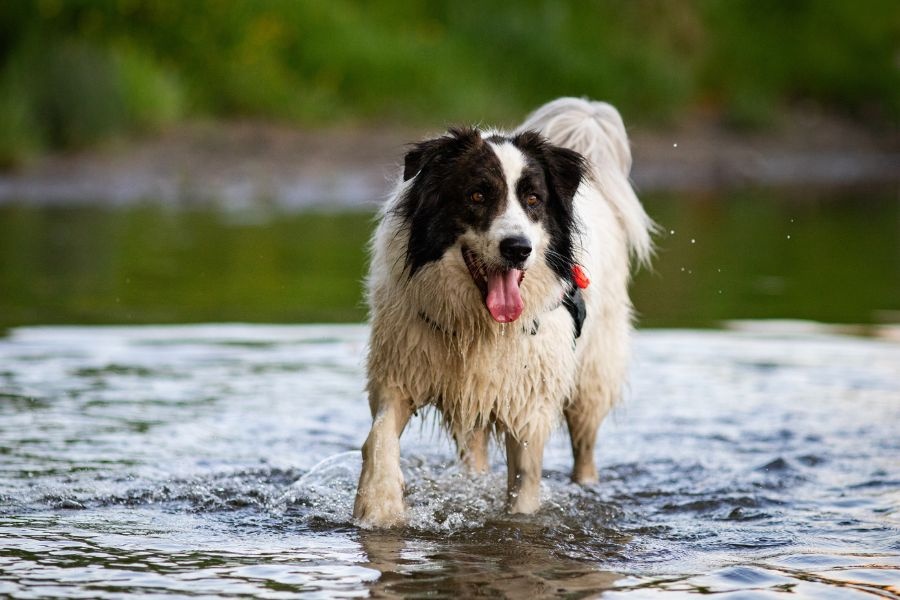
Whether your dog enjoys swimming in a pool, lake, river, or the ocean, excess moisture can increase the risk of irritation and infection if ears are not properly cared for afterward.
Which Dogs Are Most Prone to Ear Infections?
While any dog can develop an ear infection, some breeds and conditions increase the risk.
Higher-Risk Dogs Include:
- Cocker Spaniels
- Labrador Retrievers
- Golden Retrievers
- Basset Hounds
- Poodles
- Dogs with floppy ears
- Dogs with allergies
- Dogs with excessive ear hair
- Dogs with a history of chronic ear infections
These dogs may benefit from more frequent ear checks and preventive care, especially during swimming season.
Common Signs of an Ear Infection in Dogs
Recognizing symptoms early can help prevent discomfort and more serious complications.
Watch for These Warning Signs
Frequent Head Shaking
Dogs often shake their heads when their ears feel irritated or uncomfortable.
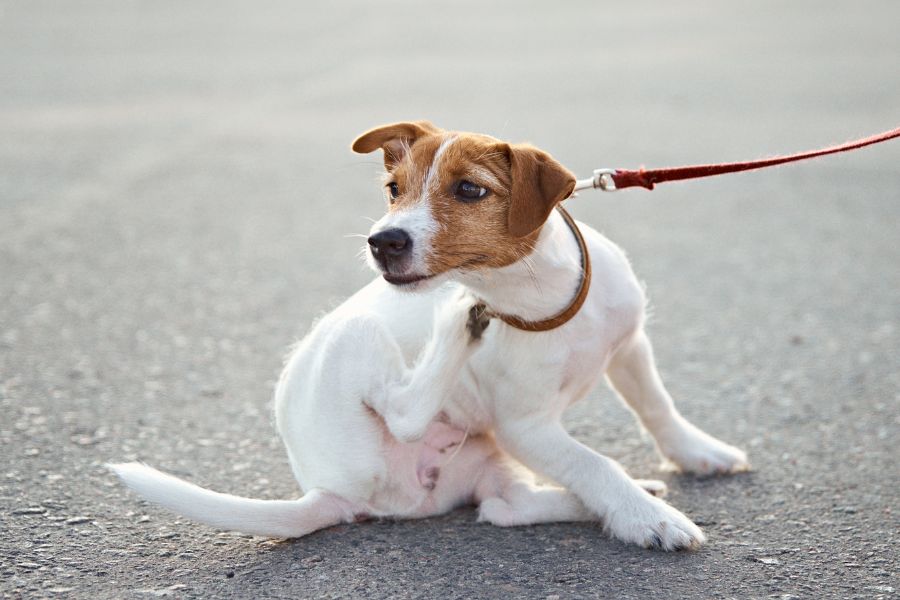
Scratching at the Ears
Persistent scratching may indicate itching, inflammation, or infection.
Redness or Swelling
Inflamed ears often appear red and irritated.
Unpleasant Odor
A strong smell coming from the ears is a common sign of infection.
Discharge
A veterinarian should evaluate Brown, yellow, or excessive waxy discharge.
Pain or Sensitivity
Dogs may pull away or cry when their ears are touched.
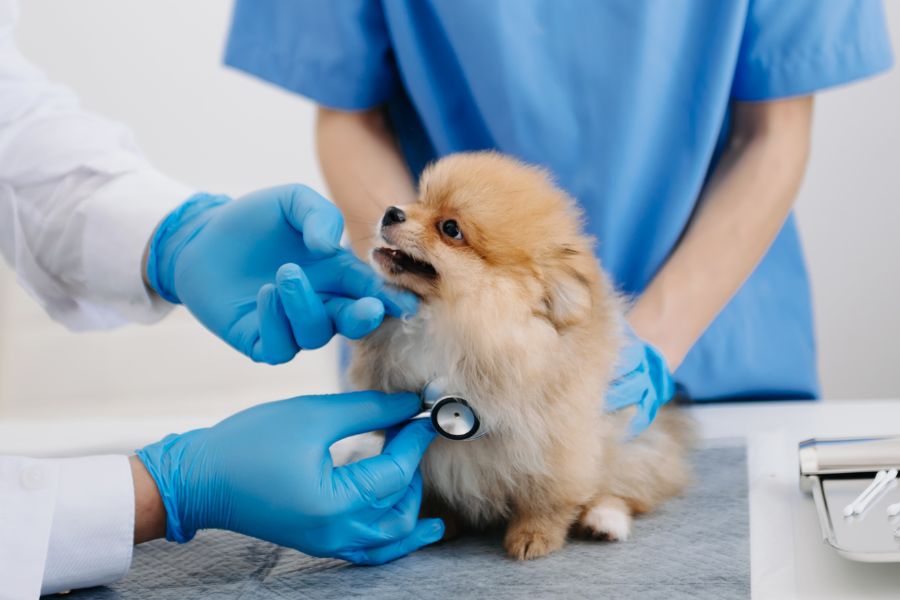
If these symptoms appear, a prompt visit to your nearest veterinary hospital is recommended.
How to Prevent Ear Infections After Swimming
The good news is that a few simple habits can significantly reduce your dog’s risk of developing ear infections.
Dry Your Dog’s Ears Thoroughly
One of the most effective preventive steps is drying the ears after every swim.
Use:
- A clean, soft towel
- Gentle wiping around the outer ear
- Careful drying of visible moisture
Avoid inserting cotton swabs deep into the ear canal, as this can push debris further inside and potentially cause injury.
Use Veterinarian-Recommended Ear Cleaners
Many veterinarians recommend ear-cleaning solutions designed specifically for dogs who swim frequently.
These products can help:
- Remove trapped moisture
- Reduce debris buildup
- Support a healthy ear environment
- Lower infection risk
Always follow your veterinarian’s instructions when using ear-cleaning products.
Check Ears Regularly
Routine ear inspections help pet owners catch problems before they become severe.
After swimming, look for:
- Excessive moisture
- Redness
- Unusual odor
- Wax buildup
- Signs of irritation
Early detection often leads to easier treatment and faster recovery.
Keep Ear Hair Managed
Some dogs develop thick hair growth inside the ear canal, which can trap moisture and reduce airflow.
Regular grooming may help:
- Improve air circulation
- Reduce moisture retention
- Minimize debris accumulation
Ask your veterinarian or groomer whether ear hair maintenance is appropriate for your dog.
Be Careful With Ocean and Lake Water
Not all swimming environments affect ears equally.
Ocean Water
Saltwater may irritate sensitive ears in some dogs, especially if moisture remains trapped after swimming.
Lakes and Ponds
Natural water sources may contain:
- Bacteria
- Algae
- Parasites
- Debris
Rinsing and drying your dog’s ears after swimming in natural bodies of water is especially important.
The Role of Allergies in Ear Infections
Many recurring ear infections are linked to allergies.
Dogs with allergies often experience:
- Chronic inflammation
- Excess wax production
- Increased sensitivity
- Repeated ear infections
If your dog develops frequent ear issues despite preventive care, your veterinarian may recommend investigating possible allergy triggers.
Managing allergies can significantly improve long-term ear health.
What Not to Do When Caring for Your Dog’s Ears
Well-meaning pet owners sometimes accidentally worsen ear problems.
Avoid These Common Mistakes
Using Human Ear Products
Human medications and cleaners may not be safe for dogs.
Overcleaning
Excessive cleaning can irritate the ear canal.
Using Cotton Swabs Deep in the Ear
It may cause injury or push debris deeper.
Ignoring Mild Symptoms
Minor irritation can quickly develop into a more serious infection.
When in doubt, consult your veterinarian before trying home remedies.
When to Schedule a Veterinary Visit
Not every ear problem resolves on its own.
You should contact a veterinarian if your dog experiences:
- Persistent scratching
- Frequent head shaking
- Ear discharge
- Strong odor
- Redness or swelling
- Pain when the ear is touched
- Recurring infections
Veterinary treatment may include:
- Ear examinations
- Cytology testing
- Prescription medications
- Allergy management
- Preventive ear-care recommendations
Prompt treatment helps prevent chronic issues and protects your dog’s comfort.
Why Preventive Veterinary Care Matters
Routine veterinary wellness exams play an important role in preventing ear problems.
Your veterinarian can:
- Identify early signs of infection
- Monitor chronic ear conditions
- Recommend appropriate cleaning products
- Evaluate allergy concerns
- Create a preventive care plan
Regular checkups help ensure your dog enjoys swimming safely throughout the year.
Keep Summer Fun and Ear-Healthy
Swimming is a fantastic way for dogs to stay active and cool during warmer months, but it can also increase the risk of ear infections if proper care isn’t taken. Drying your dog’s ears after swimming, monitoring for symptoms, and following veterinarian recommendations can go a long way toward preventing painful ear problems.
With a proactive approach and regular veterinary care, your dog can continue enjoying beach days, pool time, and outdoor adventures while maintaining healthy ears all season long.
If you live in or around Moberly and your dog experiences recurring ear infections, ear irritation, or discomfort after swimming, don’t wait for the problem to worsen. Book an appointment with Green Hills Veterinary Clinic to speak with a veterinary team that can evaluate your dog’s ear health, provide personalized treatment recommendations, and help keep your pet comfortable throughout the summer.
FAQs
Q1: Can swimming cause ear infections in dogs?
Ans: Yes. Moisture trapped inside the ear canal can create conditions that allow bacteria and yeast to grow, increasing the risk of infection.
Q2: How do I dry my dog’s ears after swimming?
Ans: Use a clean towel to dry the outer ear and visible areas gently. Avoid inserting objects deep into the ear canal.
Q3: Are certain dog breeds more likely to get ear infections?
Ans: Yes. Dogs with floppy ears, excessive ear hair, allergies, or a history of ear infections are generally at higher risk.
Q4: How often should I clean my dog’s ears if they swim regularly?
Ans: The ideal schedule varies by dog. Your veterinarian can recommend an ear-cleaning routine based on your pet’s individual needs.
Q5: When should I take my dog to the veterinarian for an ear problem?
Ans: Schedule an appointment if you notice redness, odor, discharge, scratching, head shaking, pain, or recurring ear issues.