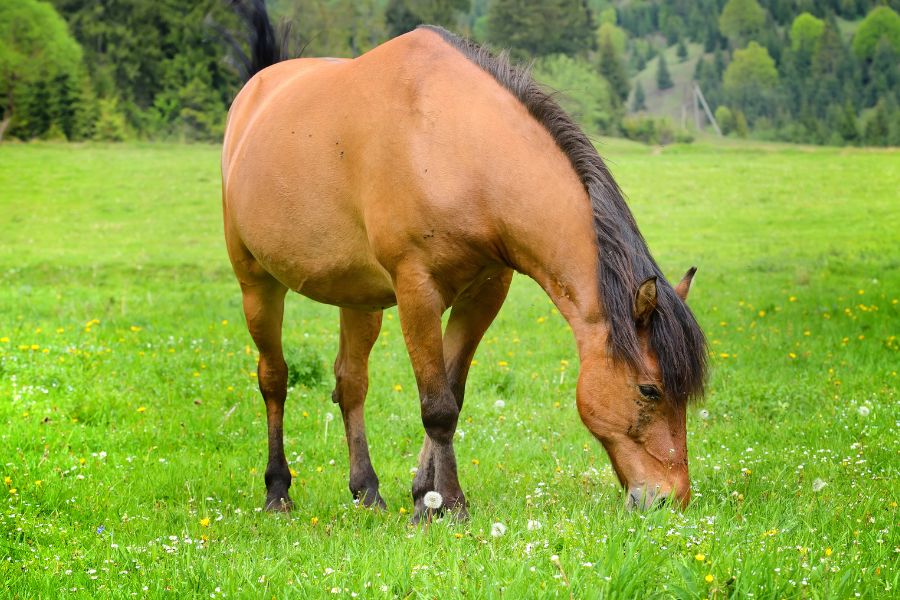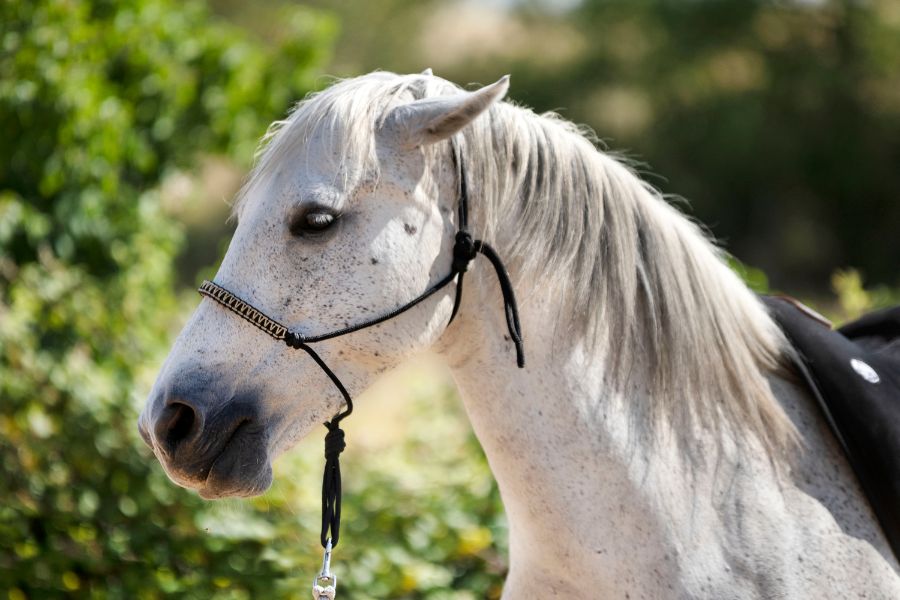

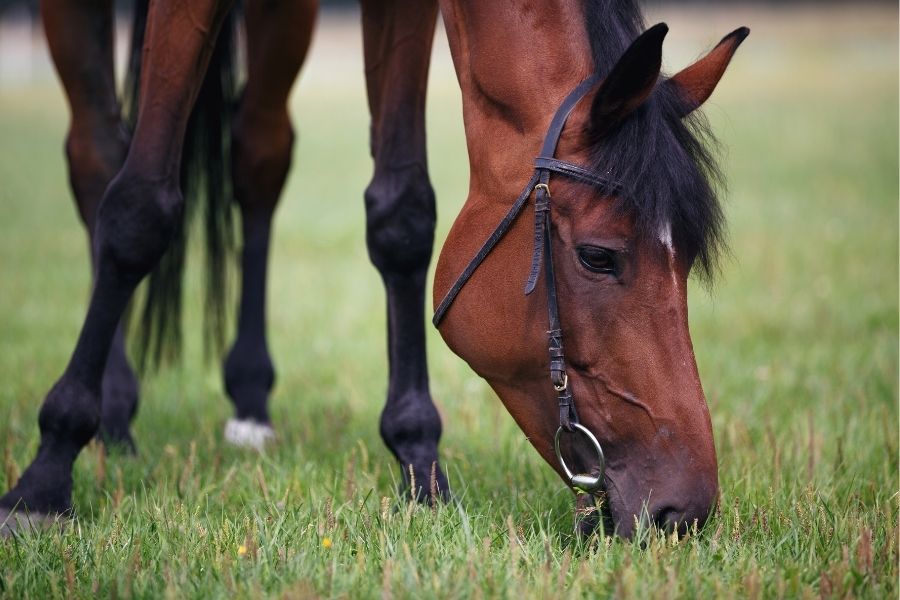
A horse may continue eating, training, and working while quietly dealing with dental discomfort. Small changes like dropping feed, resisting the bit, or losing weight can point toward issues hidden deep inside the mouth. Horses rely on healthy teeth for chewing, digestion, comfort, and daily function, making routine dental care more important than many owners realize.
Equine dental floating helps maintain proper tooth balance and reduces painful sharp points that naturally develop over time. If you’re a pet owner in Moberly, MO, this blog is especially for you. Learning how regular dental care supports your horse’s health can help you spot problems earlier and make informed decisions for long-term wellness.
Horse Teeth Continue Growing Throughout Their Lives
Unlike human teeth, horse teeth continuously erupt throughout life. Constant grinding during chewing wears teeth unevenly, especially when horses eat processed feeds or spend less time grazing naturally.
Sharp enamel points commonly form along the edges of the molars. Over time, these rough areas can irritate the cheeks, tongue, and soft tissues inside the mouth.
Common effects of uneven tooth wear include:
- Pain during chewing: Horses may struggle to grind hay and grain properly.
- Feed dropping: Partially chewed food often falls from the mouth.
- Weight loss: Poor chewing can reduce nutrient absorption.
- Bit resistance: Mouth discomfort may affect riding behavior.
- Digestive concerns: Larger feed particles can increase digestive stress.
Routine dental floating helps smooth uneven surfaces before they create more significant problems.
Dental Floating Helps Restore Comfortable Chewing
Equine dental floating involves filing down sharp enamel points and correcting uneven tooth surfaces. Veterinarians use specialized dental tools to create smoother chewing surfaces that improve comfort and jaw movement.
Modern floating procedures may involve:
- Manual floats: Handheld tools used to file rough areas.
- Power floats: Motorized instruments allowing precise adjustments.
- Oral examinations: Full mouth evaluations identify hidden issues.
Sedation is often used during the procedure to keep horses relaxed and allow safer access to the mouth.
Sharp Points Can Cause Painful Mouth Ulcers
Sharp edges repeatedly rubbing against soft tissue may create sores inside the cheeks and along the tongue.
Signs of irritation may include:
- Head tossing: Horses react to discomfort while riding.
- Excess salivation: Oral irritation increases drooling.
- Slow eating: Chewing becomes uncomfortable.
- Bad breath: Mouth infections or trapped food particles may cause it.
Regular floating reduces the chance of these painful complications.
Uneven Teeth Affect Proper Jaw Movement
Healthy chewing depends on balanced contact between upper and lower teeth. Uneven wear patterns can limit jaw motion and reduce grinding efficiency.
Problems linked to imbalance include:
- Hooks: Overgrown areas forming at tooth edges.
- Wave mouth: Uneven rows of teeth affect chewing.
- Step mouth: Height differences between adjacent teeth.
- Ramps: Sloped overgrowths restricting movement.
Early correction often prevents more advanced dental changes later.
Feeding Habits Sometimes Reveal Dental Problems Earlier
Behavior changes during feeding often provide early clues that a horse needs dental attention. Paying close attention during meals can help owners identify concerns before significant weight loss or discomfort develops.
Watch for behaviors such as:
- Quidding: Wads of partially chewed hay dropped from the mouth.
- Longer eating times: Horses struggle to chew efficiently.
- Tilting the head: Uneven chewing due to mouth pain.
- Undigested grain in manure: Poor chewing affects digestion.
- Avoiding hard foods: Sensitive teeth make chewing difficult.
Subtle signs often appear gradually, making routine dental exams especially valuable.
Younger And Older Horses Need Closer Monitoring
Dental needs vary with age. Young horses experience changes in tooth eruption, while senior horses often develop worn or missing teeth, which may require additional management.
Young Horses Face Eruption And Alignment Changes
Horses under five years old experience significant dental development as baby teeth are shed and permanent teeth emerge.
Common concerns include:
- Retained caps: Baby teeth failing to fall out properly.
- Misalignment: Developing bite irregularities.
- Sharp eruption edges: Newly erupting teeth are irritating.
Frequent evaluations help ensure normal dental development during these years.
Senior Horses Often Develop Worn Tooth Surfaces
Older horses may lose chewing efficiency due to worn, loose, or missing teeth.
Age-related concerns include:
- Tooth loss: Gaps affect feed breakdown.
- Loose teeth: Increased discomfort while chewing.
- Reduced grinding ability: Poor feed utilization.
- Weight maintenance challenges: Nutrition becomes harder to manage.
Senior horses often benefit from adjusted diets alongside routine dental care.
Riding Performance Can Reflect Oral Discomfort
Dental pain frequently affects behavior under saddle. Horses may react to bit pressure when sharp teeth or mouth sores create discomfort.
Performance-related signs can include:
- Resistance turning: Uneven pressure causes sensitivity.
- Difficulty collecting: Jaw discomfort limits flexibility.
- Head shaking: Horses attempt to avoid pain.
- Leaning on the bit: Compensation for oral discomfort.
- Behavior changes: Irritability during riding sessions.
Addressing dental issues often naturally improves comfort and responsiveness.
Horse owners throughout the area often appreciate the attention given to equine wellness at Green Hills Veterinary Clinic. Their veterinary team focuses on equine care, including routine dental evaluations, floating procedures, and monitoring age-related dental changes that influence comfort, feeding habits, and performance. Consistent care helps many horses maintain healthier chewing patterns and improved day-to-day function.
Most Horses Need Annual Dental Floating Visits
Dental floating frequency depends on age, diet, lifestyle, and existing dental conditions. Many horses benefit from yearly dental exams, while others may require more frequent evaluations.
General recommendations include:
Young Horses Often Need More Frequent Exams
Rapid dental changes during growth can increase the need for monitoring.
Younger horses may require:
- Exams every six months: Supports healthy tooth eruption.
- Early floating adjustments: Prevents severe imbalance.
- Monitoring retained caps: Reduces discomfort risks.
Senior Horses May Need Additional Dental Support
Older horses commonly develop complex dental wear patterns requiring closer attention.
Senior horse care may involve:
- Frequent evaluations: Detect loose or damaged teeth.
- Diet modifications: Easier-to-chew feed options.
- Weight monitoring: Tracks chewing effectiveness.
Adult horses with stable mouths often do well with yearly floating unless symptoms appear sooner.
Seasonal Diet Changes Influence Tooth Wear Patterns
Feed type directly affects chewing motion and tooth wear. Horses grazing for long periods naturally grind teeth differently compared to horses eating softer processed feeds.
Factors influencing wear include:
- Hay quality: Coarse forage increases grinding.
- Pelleted diets: Softer feeds reduce natural wear.
- Limited grazing: Changes chewing patterns.
- Stall confinement: Alters feeding behavior and frequency.
Dental evaluations help determine whether current feeding habits contribute to uneven wear.
Routine Dental Exams Prevent Larger Health Concerns
Preventive dental care supports more than oral comfort. Proper chewing affects digestion, nutrient absorption, weight maintenance, and overall wellness.
Benefits of regular floating include:
- Improved feed breakdown: Supports digestive health.
- Reduced mouth pain: Encourages normal eating behavior.
- Better bit acceptance: Increases riding comfort.
- Earlier problem detection: Prevents advanced complications.
- Healthier body condition: Supports proper nutrition intake.
Many dental problems progress gradually, making routine exams important even when obvious symptoms are absent.
Small Dental Problems Often Worsen Quietly
Minor sharp points may seem harmless initially, yet ongoing irritation can eventually interfere with eating, training, and overall comfort. Horses naturally hide discomfort well, which makes regular observation and preventive care especially valuable.
Paying attention to feeding habits, body condition, and behavioral changes can help owners identify dental concerns earlier. Consistent dental floating supports healthier chewing patterns, better digestion, and improved comfort throughout every stage of a horse’s life.
Supporting Better Comfort Through Routine Dental Care
Healthy teeth influence how comfortably your horse eats, performs, and maintains body condition throughout the year. Routine dental floating helps reduce sharp points, improve chewing balance, and lower the risk of feeding difficulties or riding discomfort. Regular evaluations also help identify developing concerns before they interfere with digestion, training, or overall wellness.
If you’re in Moberly and looking for equine dental floating, book an appointment with Green Hills Veterinary Clinic. Our team helps horse owners monitor dental health, identify uneven wear patterns, and support healthier chewing habits through routine equine dental care tailored to each horse’s age and needs.
FAQs
1. Why does my horse drop partially chewed hay repeatedly?
Dropped hay, often called quidding, usually suggests chewing discomfort caused by sharp enamel points, uneven tooth wear, loose teeth, or mouth sores affecting normal grinding ability.
2. Can equine dental problems affect manure consistency?
Poor chewing prevents proper breakdown of feed, allowing larger particles to enter the digestive system. Undigested fibers or grain may appear in manure when dental problems interfere with effective chewing.
3. Why do some horses suddenly resist the bit?
Sharp teeth, mouth ulcers, uneven pressure, or jaw discomfort can make bit contact painful, leading to head tossing, resistance to turning, or unusual changes in riding behavior.
4. Does softer feed reduce the need for dental floating?
Soft feeds may actually accelerate natural tooth wear, allowing uneven surfaces and sharp points to develop more quickly in some horses without regular grazing or coarse forage.
5. What happens if dental floating is delayed too long?
An untreated dental imbalance can worsen gradually, leading to mouth pain, poor weight maintenance, digestive stress, resistance to riding, and more advanced corrective dental procedures later.