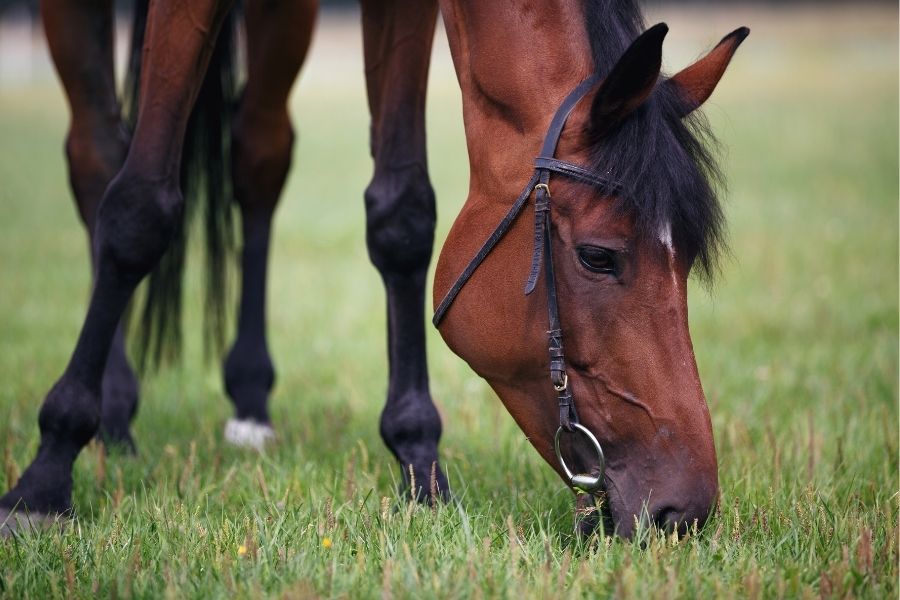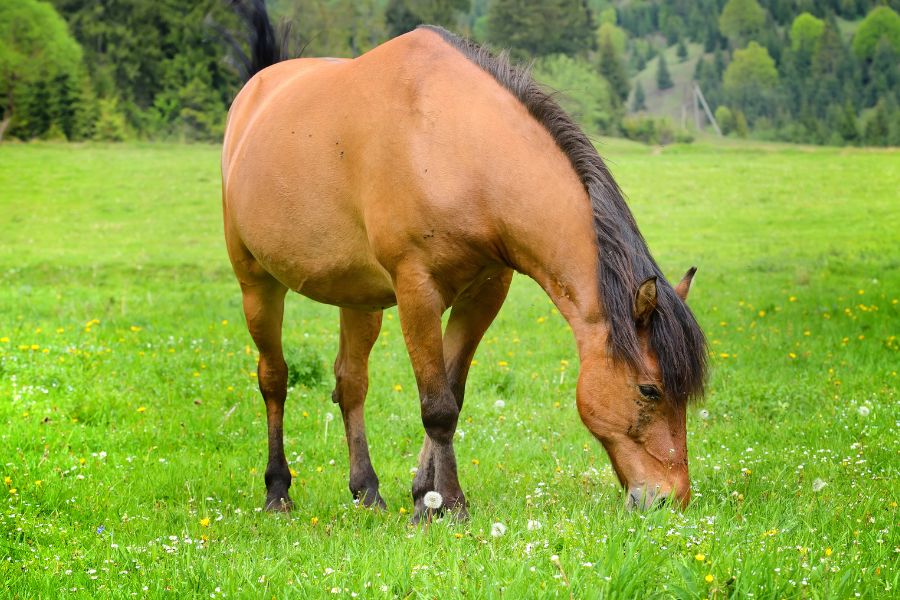

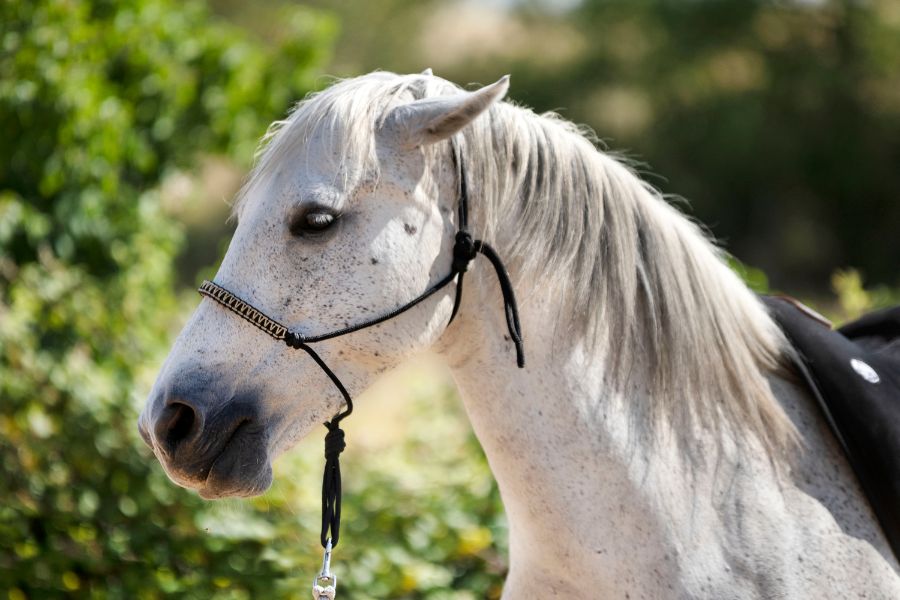
As horses age, their bodies undergo changes that require more attentive and specialized medical support. Senior horse care focuses on preventing disease, managing chronic conditions, and maintaining comfort through tailored veterinary strategies. This article explains the key aspects of senior horse veterinary care and how owners can support aging horses with the right medical and management approach.
Understanding Senior Horse Care and Aging
Most horses are considered seniors between 15 and 20 years old, although this can vary by breed and workload. Aging does not automatically mean poor health, but it does increase vulnerability to certain conditions.
Senior horse care emphasizes:
- Early detection of age-related diseases
- Adjusted nutrition and dental management
- Pain control and mobility support
- Consistent veterinary monitoring
With proper senior horse veterinary care, many horses remain active, comfortable, and mentally engaged well into their later years.
Common Health Issues in Senior Horses
Aging horses experience physiological changes that can affect nearly every body system. Understanding common concerns helps owners act quickly when issues arise.
Dental Disease
Worn, loose, or missing teeth reduce chewing efficiency, leading to weight loss and digestive problems. Senior horse veterinary care often includes dental exams every six months to maintain proper oral function.
Joint and Mobility Problems
Arthritis and degenerative joint disease are among the most common senior horse conditions. Signs include stiffness, reluctance to move, and difficulty rising. Veterinary-guided pain management plans are essential.
Endocrine Disorders
Conditions such as Pituitary Pars Intermedia Dysfunction (PPID or Cushing’s disease) and insulin resistance are prevalent in older horses. These disorders affect metabolism, immunity, and hoof health.
Digestive Changes
Reduced digestive efficiency can lead to poor nutrient absorption. Senior horses may need dietary adjustments monitored by a veterinarian.
The Role of Preventive Senior Horse Veterinary Care
Preventive care is the foundation of healthy aging. Waiting until symptoms are severe often limits treatment options.
Key preventive strategies include:
- Biannual wellness exams
- Routine blood work to monitor organ function
- Vaccination protocols adjusted for immune changes
- Strategic parasite control
Regular veterinary assessments allow subtle changes to be identified early, improving long-term outcomes in senior horse care.
Nutrition Planning for Aging Horses
Nutrition is one of the most impactful aspects of senior horse care. Older horses have different caloric and nutrient needs compared to younger adults.
Veterinary-guided nutrition plans often include:
- Easily digestible fiber sources
- Higher-quality protein to maintain muscle mass
- Balanced vitamins and minerals
- Adjustments for metabolic disease
Senior-specific feeds and soaked forage alternatives can help horses with dental or digestive limitations maintain healthy weight.
Managing Pain and Mobility in Senior Horses
Pain is not a normal or acceptable part of aging, and senior horse veterinary care prioritizes comfort.
Pain Management Options
Veterinarians may recommend:
- Non-steroidal anti-inflammatory medications
- Joint supplements or injectable therapies
- Regenerative treatments, when appropriate
Supportive Therapies
In addition to medication, many senior horses benefit from:
- Controlled, low-impact exercise
- Proper hoof trimming and shoeing
- Environmental adjustments, such as soft bedding
An individualized pain management plan helps maintain mobility and mental well-being.
Dental and Oral Health Monitoring
Dental health directly affects nutrition and comfort. Senior horses often develop sharp enamel points, a wavy mouth, or loose teeth.
Veterinary dental care typically includes:
- Thorough oral examinations
- Floating or corrective dental procedures
- Monitoring for infection or tooth loss
Consistent dental evaluations are essential to effective senior horse care and help prevent secondary digestive issues.
Immune System Changes and Disease Prevention
As horses age, immune function naturally declines. This makes senior horses more susceptible to infection and slower to recover from illness.
Senior horse veterinary care adapts preventive protocols by:
- Reviewing vaccination schedules annually
- Monitoring response to vaccines
- Addressing chronic inflammation
Close veterinary oversight helps balance protection without overtaxing the aging immune system.
Behavioral and Cognitive Changes in Senior Horses
Aging horses may show changes in behavior, alertness, or social interaction. While subtle changes can be normal, sudden shifts may indicate discomfort or disease.
Veterinary evaluations help rule out:
- Pain-related behavior changes
- Neurological conditions
- Vision or hearing loss
Senior horse care includes attention to mental health, ensuring older horses remain comfortable and secure in their environment.
When to Increase Veterinary Visit Frequency
Senior horses benefit from more frequent veterinary evaluations than younger adults. Most veterinarians recommend wellness exams at least twice per year.
More frequent visits may be necessary if a horse has:
- Chronic disease
- Rapid weight changes
- Ongoing lameness
- Metabolic or endocrine disorders
Proactive senior horse veterinary care reduces emergencies and supports long-term stability.
Creating a Comprehensive Senior Horse Care Plan
The most effective approach combines veterinary guidance with daily management. A comprehensive plan addresses medical, nutritional, and environmental needs.
Elements of a strong senior care plan include:
- Regular veterinary assessments
- Customized feeding programs
- Pain and mobility monitoring
- Consistent observation by caretakers
Collaboration between horse owners and veterinarians ensures that aging horses receive thoughtful, individualized care.
Conclusion
Senior horse care is about prevention, comfort, and quality of life. With consistent monitoring, early intervention, and tailored treatment, aging horses can continue to thrive well into their later years. Partnering with an experienced veterinary clinic like Green Hills Veterinary Clinic in Moberly, MO, ensures your horse receives compassionate, expert senior horse veterinary care.
FAQs
Q1: At what age should a horse start senior horse veterinary care?
Ans: Most horses benefit from senior-focused veterinary care starting between 15 and 20 years old, depending on health and workload.
Q2: How often should senior horses see a veterinarian?
Ans: Senior horses should have veterinary exams at least twice a year to detect age-related conditions early.
Q3: What is the most common health issue in senior horses?
Ans: Dental disease and arthritis are among the most common issues addressed in senior horse care.
Q4: Can senior horses still be ridden?
Ans: Many senior horses can be ridden lightly if they are comfortable and cleared by a veterinarian.
Q5: Is specialized nutrition necessary for senior horses?
Ans: Yes, senior horses often require adjusted diets to support digestion, weight maintenance, and metabolic health.