
Every year, millions of pets go missing and never make it home. In Moberly and across the country, one of the most reliable ways to reunite a lost pet with their family is a simple, affordable procedure done right at the vet. A pet microchipping service takes only seconds to perform and can make all the difference when it counts most. Unlike collars and ID tags, a microchip cannot fall off, fade, or get lost. It stays with your pet for life. If you have been putting off microchipping your dog or cat, this guide explains exactly how the process works, what to expect, and why so many veterinarians consider it an essential part of responsible pet ownership.
What Is Pet Microchipping and How Does It Work?
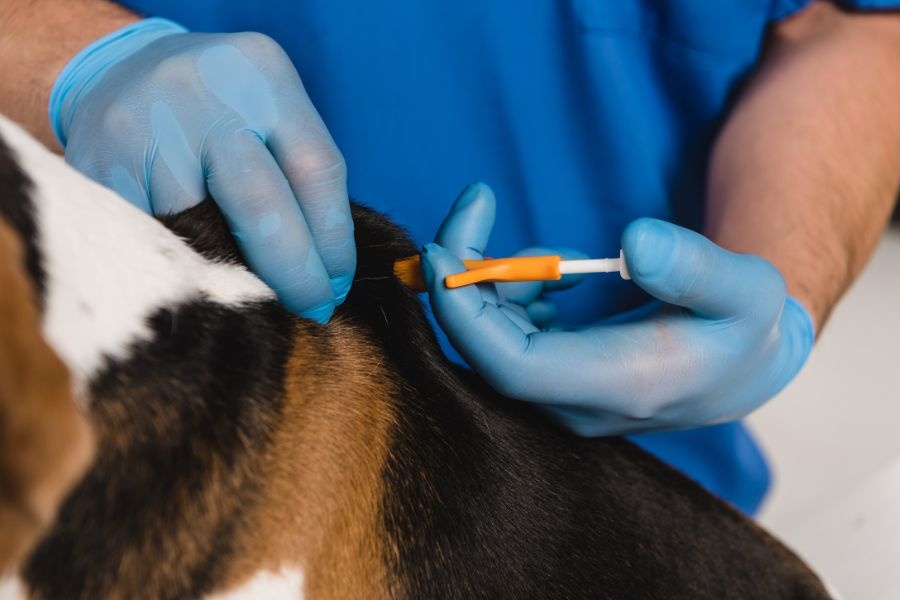
A pet microchip is a tiny electronic chip, roughly the size of a grain of rice. It is implanted just beneath your pet’s skin, typically between the shoulder blades. The procedure uses a sterile needle and takes only a few seconds. No anesthesia is required.
Each chip contains a unique identification number. That number is registered in a national pet recovery database and linked to your contact information. When a lost pet is brought to a shelter or veterinary clinic, staff use a handheld scanner to read the chip. The number is then looked up, and the owner is contacted.
Microchips use passive RFID technology. The chip has no battery and no moving parts. It is activated only when a scanner passes over it. This means the chip is completely inert inside your pet’s body and does not need to be recharged or replaced.
Estimates suggest that fewer than 2 percent of cats without microchips are ever returned to their owners. For dogs, microchipped pets are returned at more than twice the rate of those without chips. These numbers alone make the case for acting sooner rather than later.
Signs Your Pet Needs a Microchip
Not sure if your pet needs to be microchipped? Here are the most common situations where microchipping becomes critically important:
- Your pet goes outdoors. Any cat or dog that spends time outside is at risk of wandering or getting spooked.
- Your pet is an escape artist. Some dogs are determined to bolt out open doors or dig under fences.
- You have recently adopted a new pet. Shelters and breeders do not always microchip before adoption. Always verify.
- Your pet is not yet registered anywhere. A collar and tag are a good start, but they are not enough on their own.
- Your pet travels with you. Road trips and new environments increase the chance of a pet getting disoriented and lost.
In our experience, pet owners often assume their pet is too well-behaved to wander off. But fear, loud noises, or an open gate can change everything in a matter of seconds. We always recommend microchipping regardless of how calm or indoor-focused your pet may be.
What to Expect at Your Nearest Veterinary Clinic
Getting your pet microchipped in Moberly is a quick, low-stress experience. Here is what the process looks like from start to finish:
- Check-in. Let our team know you are here for microchipping. We will pull up your pet’s file or create a new one.
- Brief exam. We give your pet a quick look-over to confirm they are healthy enough for the procedure.
- Chip insertion. The microchip is loaded into a sterile needle and injected under the skin between the shoulder blades. Most pets show little to no reaction.
- Scanner confirmation. We immediately scan the area to confirm the chip is reading correctly.
- Registration. We walk you through registering your pet’s chip number in a national database with your current contact information.
- You’re done. The whole appointment typically takes less than 15 minutes.
There is no recovery time needed. Your pet can go home immediately and resume normal activity.
Pet ID Chip Benefits Every Owner Should Know
One of the most common questions we get from pet owners is whether a microchip is really necessary if their pet already wears a collar. The answer is yes, and here is why.
Collars can come off. Tags can wear down and become unreadable. But a microchip stays put for the entire life of your pet. Pet ID chip benefits go well beyond simple identification. A chip creates a permanent, tamper-proof link between your pet and your contact details.
The American Veterinary Medical Association (AVMA) recommends microchipping as a core component of pet identification. Many local animal shelters scan every stray animal that comes through their doors. Having your pet chipped means there is a real path back to you, even if the chip was implanted years ago.
Microchipping is not a GPS tracker. It does not broadcast your pet’s location in real time. Its power kicks in the moment someone scans your pet and looks up the registered number. That is why keeping your registration information current is just as important as getting the chip itself.
Microchip Registration for Pets: Why Keeping It Current Matters
Getting the chip implanted is only half the job. Microchip registration for pets is the step that actually closes the loop. A chip with outdated contact information is far less likely to bring your pet home.
Pet owners often tell us they were never fully walked through the registration process when they had their pet chipped elsewhere. They assumed it was handled automatically. It is not always the case. You need to actively register the chip number in a national database and keep that information updated any time you move or change your phone number.
There are several national registries available, including the AVMA-recognized Found Animals Registry and others that participate in universal lookup systems. Our vet team at the clinic helps every client complete registration before they leave. We also send reminders to update contact details anytime a client moves or changes their phone number.
Conclusion
A lost pet is one of the most stressful experiences a family can face. A pet microchipping service is one of the simplest, most affordable steps you can take to prevent that heartbreak. The procedure is fast, safe, and permanent. It works for dogs, cats, and many other companion animals. If your pet is not yet chipped, or if you are unsure whether their chip is registered and current, now is the time to find out. Our vet team at Green Hills Veterinary Clinic is here to help you through every step of the process. Book an appointment today.
Frequently Asked Questions
Does microchipping hurt my pet?
Ans: Most pets barely react to the procedure. The needle is slightly larger than a standard vaccination needle, but the process takes only a second. Many pets do not flinch at all.
How old does my pet need to be to get a microchip?
Ans: Most veterinarians recommend waiting until puppies and kittens are at least eight weeks old. Your vet will confirm the right timing based on your pet’s size and health.
Do I need to register the microchip after the procedure?
Ans: Yes. The chip itself only stores a number. You must register that number in a national pet recovery database with your current contact details for it to be useful.
Can a microchip tell me where my pet is?
Ans: No. A microchip is not a GPS device. It only transmits an ID number when scanned by a reader. If you want real-time tracking, a GPS collar attachment is a separate product.
What happens if I move or change my phone number?
Ans: Log in to the registry where your pet’s chip is listed and update your contact information right away. A chip linked to old contact details may not be enough to bring your pet home.
Related Articles