

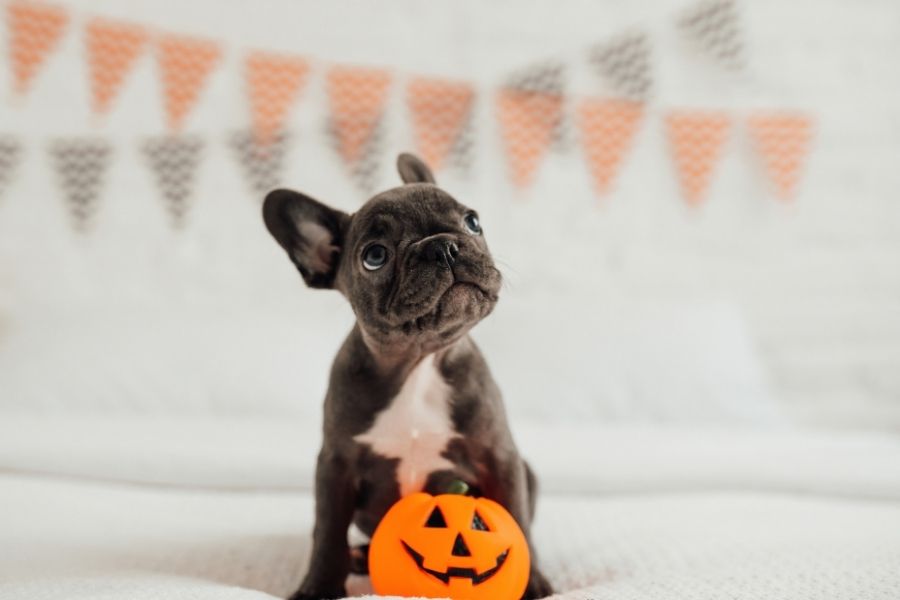
For millions of dogs across the country, Halloween night is a behavioral stress event dressed up as a holiday. Doorbell anxiety in dogs in Halloween is one of the most common issues veterinarians and animal behaviorists field calls about every October. The doorbell rings, a dog erupts into barking, lunging, or trembling, and then it rings again. And again. For two hours straight. What starts as reactive behavior quickly escalates into a genuinely exhausted, overstimulated animal and an equally stressed household. Halloween does not have to go this way. Understanding why dogs react so strongly to the doorbell, what the sustained stress of trick-or-treating night does to their nervous system, and what specific steps manage the situation most effectively gives pet owners real tools rather than empty reassurance. This guide addresses doorbell anxiety from the behavioral and physiological level and offers practical strategies that work even when Halloween is only days away.
Why the Doorbell Triggers Such a Strong Response in Dogs
The doorbell is one of the most behaviorally loaded sounds in a dog’s daily life. It is a reliable predictor of a specific sequence of events: a sound, followed by the owner moving toward the door, followed by a stranger entering the dog’s territory. For a dog wired to monitor and respond to territorial threat, this sequence produces an alerting response every time.
For most dogs on most days, this is manageable. The doorbell rings once or twice, the dog barks, the owner answers, and life returns to normal. Halloween breaks every aspect of that pattern. The bell rings constantly. It rings at close intervals, giving the dog no time to return to baseline between triggers. The people who appear are wearing costumes that alter their visual profile in ways that can make familiar-smelling individuals look unrecognizable. And there are a lot of them.
Dog scared of trick-or-treaters situations compound throughout the evening as the dog’s stress hormones accumulate without sufficient recovery time. A dog who seems to handle the first twenty minutes of trick-or-treating reasonably well may be in a state of genuine physiological stress by hour two, even if they have stopped barking. The behavior shift can look like a dog that suddenly seems calmer when in fact they are exhausted and overstimulated.
Dog stress signs trick-or-treating that owners should monitor include excessive panting when not physically active, restless movement or inability to settle, yawning repeatedly outside of sleep context, trembling, hiding, lip licking, dilated pupils, and in some dogs, loss of bladder control due to stress arousal.
The Physiological Cost of Sustained Doorbell Stress
What happens inside a dog during two hours of repeated doorbell exposure is not trivial. Each doorbell ring triggers a cortisol and adrenaline response. These stress hormones prepare the body for action: heart rate increases, muscles tense, and the dog becomes hypervigilant.
When these responses occur repeatedly without resolution, cortisol stays elevated. Sustained cortisol elevation in dogs is linked to disrupted sleep, suppressed immune function, increased reactivity to minor stimuli and, in dogs already prone to anxiety, can contribute to long-term behavioral worsening if Halloween stressors are not managed year after year.
How to calm a reactive dog at door begins with understanding that the goal is not just getting through the night but protecting the dog from cumulative stress that has effects beyond Halloween itself. A dog managed thoughtfully on Halloween night is less likely to develop intensified doorbell reactivity in the weeks that follow.
Dog stress signs like trick-or-treating are not always obvious to owners who have normalized their dog’s baseline anxiety level. A dog that always barks at the doorbell may appear to be behaving normally on Halloween while actually experiencing a significantly heightened stress response due to the frequency and duration of the stimulus.
How to Manage Doorbell Anxiety on Halloween Night
These are the most effective evidence-informed strategies for managing doorbell anxiety in dogs in Halloween situations, ranked from most to least impactful.
Remove the dog from doorbell proximity entirely. This is the single most effective step. Place your dog in a comfortable back room with the door closed before trick-or-treating begins, not after the first incident. Include their bed, water, a long-lasting treat like a frozen Kong or a bully stick, and background noise. A white noise machine, fan, or low-volume television significantly reduces the sound penetration of the doorbell from across the house.
How to calm a reactive dog at door before Halloween: Use the days leading up to October 31st to do brief doorbell desensitization sessions. Ring the bell deliberately, then immediately redirect the dog to a high-value treat before any bark response escalates. Repeat five to ten times. This does not fix deep reactivity in a few days, but it does lower the overall reactivity threshold and makes management on the night itself more effective.
Desensitize dog to doorbell sounds gradually. Play doorbell sounds at low volume on a device in the room with your dog while feeding them something they love. Over multiple sessions across several days, gradually increase the volume. The goal is to shift the doorbell from a threat signal to a neutral or even positive one. This is a longer-term behavioral project, but starting it two to three weeks before Halloween yields noticeable results.
Use pheromone-based calming products. Dog-appeasing pheromone diffusers, available through your veterinarian, work by mimicking the calming pheromones produced by nursing mothers. They are most effective when plugged in at least two weeks before the target event, but even a few days of exposure can take the edge off acute stress.
Avoid punishing reactive behavior. Yelling at a dog for barking at the doorbell on Halloween does not reduce the anxiety driving the behavior. It adds an additional stressor to an already overloaded nervous system. Calm, redirected management works; punishment makes doorbell anxiety worse over time.
What to Do If Your Dog’s Anxiety Is Severe
For dogs with significant doorbell or sound sensitivity, Halloween requires a more proactive plan than environmental management alone. Dog scared of trick-or-treaters responses that involve extreme behavior, including biting, self-injury, destructive activity, or complete inability to settle despite management attempts, warrant a veterinary consultation before Halloween arrives.
Veterinarians can discuss several options for dogs with severe situational anxiety, including short-term behavioral support for high-stress events. These options work best when introduced before the event rather than after the dog is already in distress, so timing the consultation appropriately makes a meaningful difference.
In Moberly, MO, Halloween evening tends to generate sustained trick-or-treating traffic across residential neighborhoods, which means the doorbell exposure window is long. Planning to have the dog settled and secured early, before the first wave of trick-or-treaters arrives, is consistently the most effective approach in high-traffic areas.
Setting Up the Environment for the Best Possible Night
The night itself becomes manageable when the setup is done in advance. Here is what the most effective pre-Halloween environment looks like for a dog with doorbell anxiety.
The safe room is prepared and introduced to the dog before Halloween, not on the night itself. The dog has practiced spending time in the room with positive associations: meals delivered there, playtime there, and familiar bedding and toys present.
A frozen Kong or other long-lasting reward is prepared and ready in the freezer. The longer the treat lasts, the longer the dog remains calmly occupied rather than monitoring for the next bell.
Background noise is running before the dog enters the room. Starting the white noise machine or television after the dog is already in the room and already reacting is less effective than having it running as a baseline environment from the start.
The team at Green Hills Veterinary Clinic understands that behavioral health is part of complete veterinary care, and doorbell anxiety in dogs during Halloween is a clinical concern that deserves the same attention as physical wellness. Managing your dog’s stress this Halloween is an investment in their behavioral health every day that follows. Book an appointment today.
Frequently Asked Questions
Q: Why does my dog bark so much more on Halloween than on regular nights?
Ans: On a regular night, the doorbell rings once or twice with long gaps between events, giving your dog time to return to baseline between stimuli. Halloween compresses dozens of doorbell events into a two-hour window with no recovery time between them. The result is cumulative stress activation that produces increasingly intense reactions as the evening goes on.
Q: Is it okay to put my dog in another room during trick-or-treating?
Ans: Yes, and it is actually the most effective management strategy available. Setting up a comfortable, enriched safe room and securing your dog there before trick-or-treating begins eliminates the primary stressor entirely. This protects your dog’s wellbeing and also ensures they cannot escape through a repeatedly opening front door.
Q: Will my dog’s doorbell anxiety get worse if I don’t address it?
Ans: Repeated high-stress events without management can contribute to worsening behavioral reactivity over time. A dog whose doorbell anxiety is never addressed may become increasingly reactive not just to doorbells but to door sounds in general. Behavioral support, environmental management, and veterinary guidance combine to produce the best long-term outcomes.
Q: What are pheromone diffusers, and do they actually help?
Ans: Dog-appeasing pheromone products are designed to mimic the calming signals produced by nursing mother dogs. Available as diffusers, sprays, and collar inserts, they work best with several weeks of consistent exposure before the target event. For situational stress events like Halloween, they are most effective as part of a broader management plan rather than as a standalone solution.
Q: When should I talk to my vet about my dog’s Halloween anxiety?
Ans: As soon as possible before October 31st. If your dog has shown significant distress in past Halloween seasons, severe doorbell reactivity throughout the year, or a history of anxiety in general, a veterinary consultation before the holiday allows time for appropriate support to be put in place. Waiting until the night of leaves very few options available.
Related Articles