

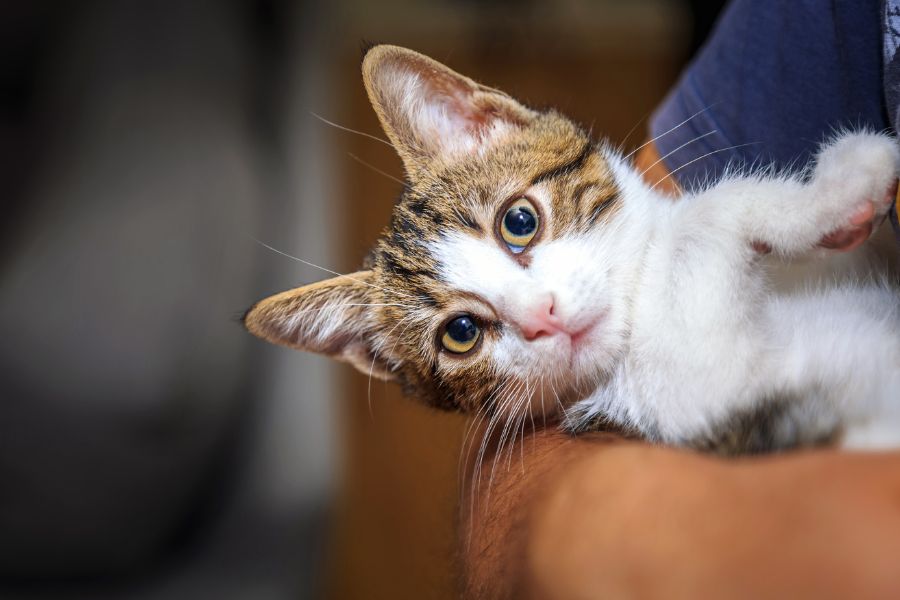
Bringing home a new cat, especially a shy or nervous one, can feel overwhelming. The 3-3-3 rule for cats is a simple, proven guideline that helps pet owners understand their cat’s emotional transition during the first few weeks after adoption. In this guide, we’ll break down the shy cat adjustment period, explain what behaviors to expect, and show you how to support your pet with proper care, patience, and veterinary care when needed.
What Is the 3-3-3 Rule for Cats?
The 3-3-3 rule for cats is a general timeline that describes how long it takes for a newly adopted or relocated cat to adjust to its new environment.
It’s divided into three phases:
- First 3 days: Overwhelmed and anxious
- First 3 weeks: Settling in and learning routines
- First 3 months: Fully comfortable and bonded
While every cat is different, this framework is especially helpful for understanding the anxious cat adjustment process.
First 3 Days: The Overwhelmed Phase
During the first few days, your cat may feel scared, confused, and unsure of its surroundings. This is the most sensitive stage of the shy cat adjustment period.
Common Behaviors
- Hiding under furniture or in corners
- Refusing food or water
- Minimal movement or interaction
- Avoiding eye contact
This is completely normal, especially in cases of shy cat adoption.
How to Help
- Set up a quiet, confined space with essentials (food, water, litter box)
- Avoid forcing interaction—let your cat come to you
- Speak softly and move slowly around them
- Keep noise levels low
In homes around Moberly, where quieter suburban environments are common, this phase may be slightly easier, but even then, patience is key.
First 3 Weeks: The Adjustment Phase
As your cat begins to feel safer, you’ll notice subtle changes. This phase is when your cat starts exploring and adapting to its new routine.
What to Expect
- Increased curiosity and movement
- Beginning to eat regularly
- Using the litter box consistently
- Showing interest in human interaction
However, your cat may still startle easily or retreat when overwhelmed.
How to Support Your Cat
- Maintain a consistent feeding schedule
- Introduce interactive toys gradually
- Spend quiet time nearby without overwhelming them
- Begin gentle bonding activities like slow blinking or offering treats
This stage is crucial in shaping your cat’s long-term behavior. A calm, structured environment helps ease the anxious cat adjustment process significantly.
First 3 Months: The Comfort Phase
By the three-month mark, most cats begin to feel at home. Their true personality starts to show, and trust builds more naturally.
Signs Your Cat Is Settling In
- Seeking attention or affection
- Playing more confidently
- Exploring the entire home
- Relaxed body language (tail up, slow blinking, purring)
At this point, your cat is no longer just adjusting, they’re becoming part of your family.
Why the 3-3-3 Rule Is Important for Shy Cats
Shy or anxious cats require more time and understanding than outgoing ones. Ignoring their emotional needs can lead to:
- Chronic stress
- Behavioral issues (scratching, hiding, aggression)
- Appetite loss or health concerns
The 3-3-3 rule for cats gives pet owners realistic expectations and prevents unnecessary worry during the transition.
Tips for a Successful Shy Cat Adoption
Adopting a shy cat can be incredibly rewarding, but it requires a thoughtful approach.
Create a Safe Space
Designate a small, quiet room where your cat can feel secure. Include:
- Soft bedding
- A covered hiding spot
- Easy access to food and water
Use Positive Reinforcement
Reward small steps like coming out of hiding or eating near you with treats or gentle praise.
Avoid Overstimulation
Too many visitors, loud noises, or sudden movements can delay progress in the shy cat’s adjustment period.
Be Patient
Progress may be slow, but consistency builds trust over time.
When to Consider Veterinary Care
While most adjustment behaviors are normal, some signs may indicate underlying health issues.
Watch for These Red Flags
- Not eating for more than 48 hours
- Persistent vomiting or diarrhea
- Extreme lethargy
- Signs of pain or discomfort
In such cases, timely veterinary care is essential. A professional evaluation ensures your cat’s health isn’t affecting their behavior.
For pet owners in Moberly, Green Hills Veterinary Clinic offers compassionate support and guidance for newly adopted cats, helping ensure a smooth transition.
How Environment Affects an Anxious Cat’s Adjustment
Your home setup plays a major role in how quickly your cat adapts.
Key Environmental Factors
- Lighting: Soft lighting feels safer than bright, harsh lights
- Noise: Keep TVs and music at low volumes initially
- Scent: Familiar scents (like blankets) can comfort your cat
- Vertical Space: Cat trees or shelves allow safe exploration
A well-prepared environment reduces stress and speeds up the 3-3-3 rule for cats timeline.
Common Mistakes to Avoid
Even with good intentions, some actions can slow down your cat’s adjustment.
Avoid These Pitfalls
- Forcing interaction too early
- Allowing full house access immediately
- Ignoring signs of stress
- Changing routines frequently
Understanding your cat’s pace is critical during the shy cat adjustment period.
How Long Does It Really Take for a Cat to Adjust?
While the 3-3-3 rule for cats is a helpful guide, some cats may take longer, especially those with:
- Past trauma
- Shelter experiences
- Lack of socialization
It’s not unusual for very shy cats to take 4–6 months to fully relax. The key is consistency, patience, and proper care.
Conclusion
The 3-3-3 rule for cats is a valuable framework that helps pet owners navigate the emotional journey of bringing home a shy or anxious cat. By understanding each phase of the shy cat adjustment period, you can provide the support your pet needs to feel safe and secure.
Remember, every cat is unique. With patience, a calm environment, and proper veterinary care, your new companion will transform into a confident, loving member of your home.
If your cat is struggling to adjust or showing concerning symptoms, don’t wait. Schedule a check-up at Green Hills Veterinary Clinic today and give your pet the best start possible.
FAQs
Q1: What is the 3-3-3 rule for cats?
Ans: The 3-3-3 rule for cats outlines a timeline of 3 days, 3 weeks, and 3 months for emotional adjustment after adoption, helping owners understand typical behavior changes.
Q2: How can I help during the shy cat adjustment period?
Ans: Provide a quiet space, maintain routines, avoid forcing interaction, and use positive reinforcement to build trust gradually and reduce anxiety.
Q3: Is it normal for a new cat to hide for days?
Ans: Yes, hiding is common during the first few days. It’s part of the anxious cat adjustment process and usually improves with time and patience.
Q4: When should I seek veterinary care for my new cat?
Ans: Seek veterinary care if your cat refuses food for over 48 hours, shows illness symptoms, or behaves unusually beyond normal adjustment signs.
Q5: How long does shy cat adoption adjustment take?
Ans: While many cats adjust within three months, shy cats may take longer depending on personality, past experiences, and environment.