

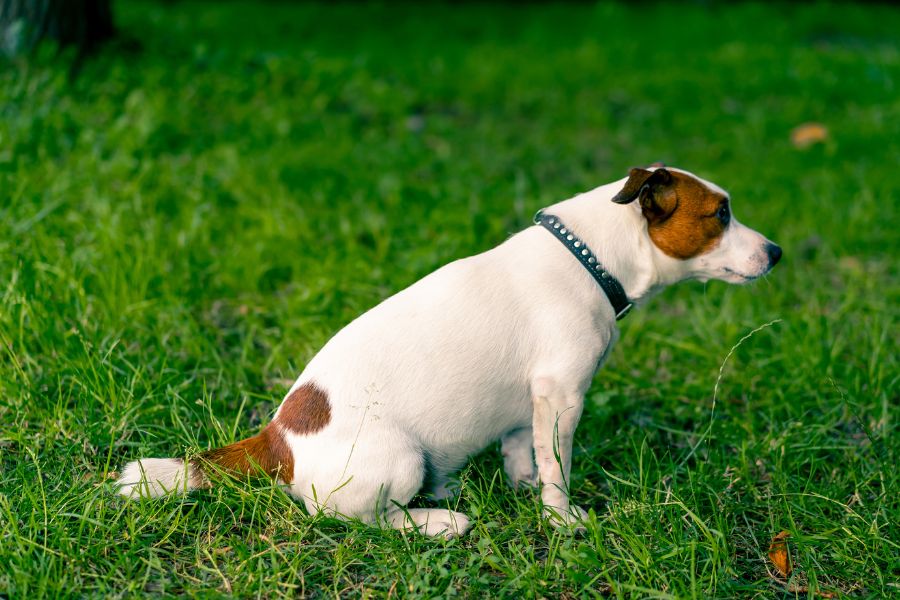
A female dog’s UTI is one of the most common health issues affecting dogs, especially females, due to their anatomy. If you’ve noticed frequent urination, accidents indoors, or discomfort, it could be a sign of a UTI in female dogs. In this guide, we’ll explain why female dogs are more prone to urinary infections, how to spot dog UTI symptoms, and what you can do for effective female dog UTI treatment and prevention.
What Is a UTI in Female Dogs?
A UTI in female dogs (urinary tract infection) occurs when bacteria enter the urinary tract and multiply, causing inflammation and discomfort. These infections can affect the bladder (cystitis) or, in more serious cases, the kidneys.
Female dogs are particularly vulnerable because their urethra (the tube that carries urine out of the body) is shorter and wider than in males. This makes it easier for bacteria to travel into the bladder.
Why Female Dogs Are at Higher Risk
1. Shorter Urethra
The shorter urethra in female dogs allows bacteria to reach the bladder more quickly, increasing the risk of a female dog urinary infection.
2. Proximity to the Anus
The urethral opening is closer to the anus, making contamination from bacteria like E. coli more likely.
3. Hormonal Changes
Hormonal fluctuations, especially in unspayed dogs, can impact urinary tract health and increase susceptibility to infections.
4. Age and Health Conditions
Older female dogs or those with underlying issues like diabetes are more prone to recurring UTI in female dogs.
5. Poor Hygiene or Moist Environments
Dogs that spend time in damp environments or have poor grooming habits are at a higher risk of developing infections.
Common Female Dog UTI Symptoms
Recognizing female dog UTI symptoms early can prevent complications. Watch for these signs:
- Frequent urination or attempts to urinate
- Accidents inside the house
- Straining or pain while urinating
- Blood in the urine
- Strong or unusual urine odor
- Excessive licking of the genital area
- Lethargy or reduced appetite
Seasonal humidity can sometimes contribute to bacterial growth, making it important for pet owners to stay vigilant, especially during warmer months.
How UTIs Are Diagnosed in Female Dogs
Accurate diagnosis is essential for proper female dog UTI treatment. Veterinarians use veterinary diagnostic care to confirm infections and rule out other conditions.
Common Diagnostic Methods:
- Urinalysis: Detects bacteria, blood, and abnormal cells
- Urine culture: Identifies the specific bacteria causing infection
- Blood tests: Checks for underlying conditions
- Imaging (X-rays or ultrasound): Identifies stones or structural issues
Early diagnosis ensures your dog gets the right treatment quickly and avoids complications.
Female Dog UTI Treatment Options
Treating a female dog’s urinary infection depends on the severity and underlying causes.
1. Antibiotics
Most UTIs are treated with a course of antibiotics prescribed by your veterinarian. It’s important to complete the full course, even if symptoms improve.
2. Increased Hydration
Encouraging your dog to drink more water helps flush bacteria from the urinary tract.
3. Dietary Adjustments
Special diets may be recommended to support urinary health and prevent recurrence.
4. Pain Relief
In some cases, vets may prescribe medications to reduce discomfort during urination.
5. Treating Underlying Conditions
If the UTI is linked to another issue like bladder stones or diabetes, those conditions must also be addressed.
For cat parents in Moberly, Green Hills Veterinary Clinic offers personalized treatment plans to ensure your pet gets the best care tailored to their specific needs.
UTI Prevention Tips for Female Dogs
Preventing UTIs is always better than treating them. Here are practical UTI prevention strategies:
Maintain Proper Hygiene
- Regularly clean your dog’s genital area
- Keep fur trimmed to avoid bacterial buildup
Encourage Frequent Bathroom Breaks
Holding urine for long periods increases infection risk. Ensure your dog has regular opportunities to go outside.
Provide Fresh Water
Always keep clean water available to promote hydration and flush out bacteria.
Balanced Diet
A healthy diet supports the immune system and urinary tract health.
Regular Vet Checkups
Routine visits and diagnostic care can detect early signs of infection before they become serious.
When to See a Veterinarian
If you notice any female dog UTI symptoms, don’t wait. Early intervention can prevent the infection from spreading to the kidneys, which can be life-threatening.
Seek immediate care if your dog:
- Cannot urinate
- Shows signs of severe pain
- Has blood in urine
- Appears lethargic or feverish
Prompt veterinary attention can make a significant difference in recovery time and overall health.
Long-Term Risks of Untreated UTIs
Ignoring a UTI in female dogs can lead to serious complications, including:
- Kidney infections
- Bladder stones
- Chronic urinary issues
- Systemic infections
These conditions are more difficult and costly to treat, making early diagnosis and care critical.
Conclusion
A female dog’s UTI is a common but potentially serious condition that requires prompt attention. Because female dogs are naturally at higher risk, understanding the causes, recognizing female dog UTI symptoms, and seeking timely UTI treatment is essential.
With proper hygiene, regular vet visits, and proactive UTI prevention, you can help keep your dog healthy and comfortable. If you are a pet owner at Moberly and suspect a urinary issue, don’t delay. Schedule a checkup at Green Hills Veterinary Clinic today to ensure your furry companion gets the care she deserves.
FAQs
Q1: What are the first signs of a UTI in female dogs?
Ans: Early signs include frequent urination, straining, accidents indoors, and licking the genital area. A strong urine odor or blood may also appear.
Q2: How is a female dog’s urinary infection treated?
Ans: Treatment typically involves antibiotics, increased hydration, and sometimes dietary changes, depending on the severity and underlying causes.
Q3: Can a UTI in female dogs go away on its own?
Ans: No, UTIs usually require veterinary treatment. Without proper care, the infection can worsen and spread to the kidneys.
Q4: How can I prevent UTIs in my female dog?
Ans: Maintain hygiene, provide fresh water, ensure regular bathroom breaks, and schedule routine vet visits for early detection and prevention.
Q5: When should I take my dog to the vet for UTI symptoms?
Ans: Visit a vet immediately if symptoms persist more than a day, worsen, or include blood in urine, pain, or lethargy.