

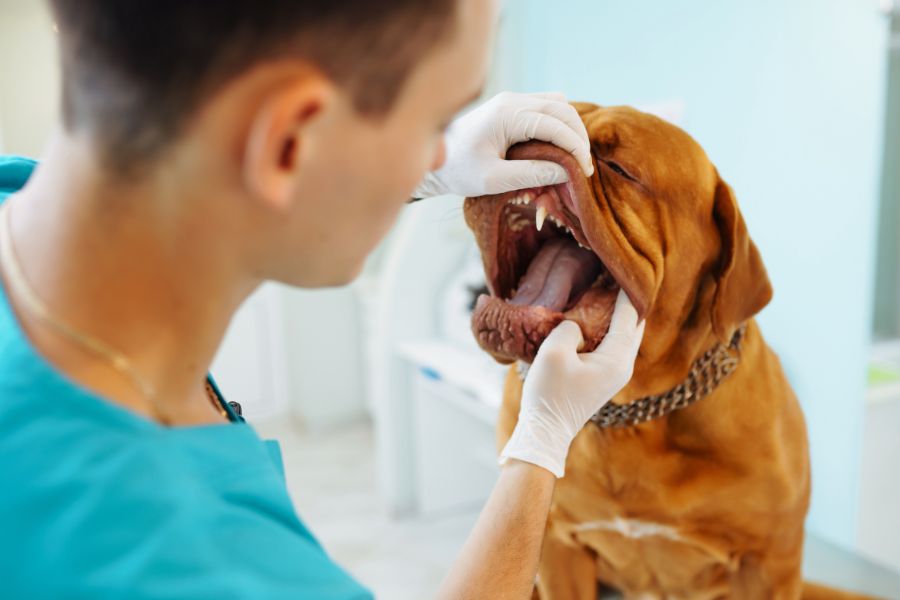
Dental disease in dogs is one of the most common yet overlooked health issues pet owners face. Many dogs show subtle signs that are easy to miss until the condition becomes serious. In this guide, we’ll break down the most important signs of dental disease in dogs, why early detection matters, and how pet owners can protect their dog’s oral health.
What Is Dental Disease in Dogs?
Dental disease, also known as periodontal disease, affects a dog’s teeth, gums, and surrounding tissues. It usually starts with plaque buildup and can quickly progress into painful infections if left untreated.
By age three, most dogs show some level of dental disease. Without proper care, bacteria can enter the bloodstream and affect major organs like the heart, liver, and kidneys.
Common causes include:
- Poor oral hygiene
- Lack of regular dental cleanings
- Soft or sticky diets
- Genetics and breed predisposition
Understanding the early signs of dental disease in dogs can help you take action before the condition worsens.
Early Signs of Dental Disease in Dogs
Recognizing early symptoms is key to preventing long-term damage. Many of these signs may seem minor, but shouldn’t be ignored.
1. Bad Breath (Halitosis)
One of the first and most noticeable signs is persistent bad breath. While “dog breath” is common, a strong, foul odor may indicate bacterial buildup and infection.
2. Yellow or Brown Tartar Buildup
Check your dog’s teeth regularly. If you notice yellow or brown deposits along the gum line, this is tartar, a major contributor to dental disease.
3. Red or Swollen Gums
Healthy gums should be pink. Red, inflamed, or bleeding gums are a clear warning sign of gingivitis, the earliest stage of periodontal disease.
4. Difficulty Eating or Chewing
If your dog suddenly avoids hard food, drops food while eating, or chews on one side, it could be due to dental pain.
5. Excessive Drooling
Drooling more than usual, especially if it contains blood or has a bad smell, may signal oral discomfort or infection.
Advanced Signs You Should Never Ignore
As dental disease progresses, symptoms become more severe and may impact your dog’s overall health.
1. Loose or Missing Teeth
Teeth that are loose or falling out indicate advanced periodontal disease and require immediate veterinary attention.
2. Pawing at the Mouth
Dogs experiencing oral pain may paw at their mouth or rub their face against furniture.
3. Facial Swelling
Swelling around the jaw or face could be a sign of a tooth root abscess or infection.
4. Weight Loss
Chronic dental pain can make eating difficult, leading to weight loss and reduced appetite.
5. Behavioral Changes
Dogs in pain may become irritable, withdrawn, or less active than usual.
Why Dental Health Matters for Dogs
Dental disease doesn’t just affect your dog’s mouth it can impact their entire body. Bacteria from infected gums can enter the bloodstream and lead to serious complications.
Potential health risks include:
- Heart disease
- Kidney infections
- Liver problems
- Chronic pain and inflammation
For pet owners in Moberly, staying proactive about your dog’s oral health can prevent costly treatments and improve their quality of life.
How Veterinarians Diagnose Dental Disease
A professional diagnosis is essential for determining the severity of dental disease.
At Green Hills Veterinary Clinic, veterinarians typically perform:
- Oral examinations to check teeth and gums
- Dental X-rays to assess underlying issues
- Professional cleanings under anesthesia
Routine dog dental checkups help detect problems early, even before visible symptoms appear.
Preventing Dental Disease in Dogs
The good news is that dental disease is largely preventable with consistent care.
Daily and Weekly Care Tips
- Brush your dog’s teeth regularly using dog-safe toothpaste
- Provide dental chews or toys to reduce plaque buildup
- Feed a balanced diet that supports oral health
- Avoid giving sticky human foods
Regular Veterinary Visits
Routine dental exams are critical. Most vets recommend professional cleanings at least once a year, depending on your dog’s needs.
When Should You See a Vet?
You should schedule a veterinary visit if you notice any of the following:
- Persistent bad breath
- Bleeding or swollen gums
- Difficulty eating
- Loose or damaged teeth
- Behavioral changes related to pain
Early intervention can prevent serious complications and reduce treatment costs.
Conclusion
Understanding the signs of dental disease in dogs is essential for every pet owner. From bad breath to difficulty eating, these symptoms can indicate underlying problems that require attention. Regular dental care, combined with routine veterinary visits, can keep your dog’s mouth healthy and pain-free.
If you’re a dog owner in Moberly and notice any signs of dental issues, don’t wait. Contact Green Hills Veterinary Clinic today to schedule a dental exam and give your dog the care they deserve.
FAQs
Q1: What are the first signs of dental disease in dogs?
Ans: The earliest signs include bad breath, tartar buildup, and red or swollen gums.
Q2: How can I prevent dental disease in my dog?
Ans: Regular brushing, dental chews, and routine vet visits are the best ways to prevent dental issues.
Q3: Is bad breath always a sign of dental disease in dogs?
Ans: Not always, but a persistent foul odor is often a strong indicator of bacterial buildup or infection.
Q4: How often should dogs get professional dental cleanings?
Ans: Most dogs need annual cleanings, but some may require more frequent care depending on their condition.
Q5: Can dental disease in dogs become life-threatening?
Ans: Yes, if untreated, bacteria can spread to vital organs and cause serious health complications.
Related Articles