

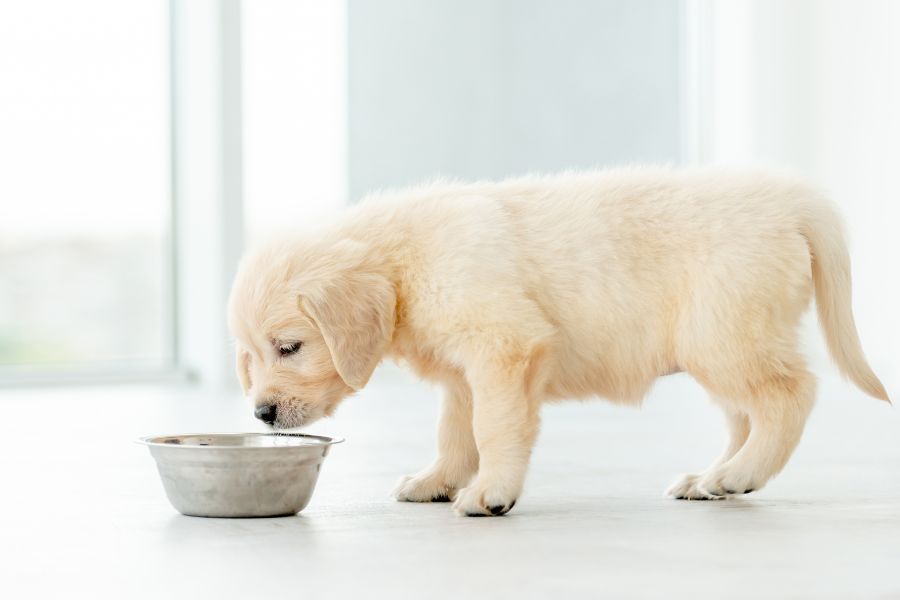
Watching your puppy skip meals can be worrying for any pet owner. Puppies have small stomachs and delicate digestive systems, so changes in appetite may be normal—or a sign of something more serious. In this guide, we’ll explore the 10 most common reasons your puppy may not be eating and highlight when it’s time to consult a veterinarian. Whether it’s minor stress or a medical condition, understanding the causes will help ensure your puppy stays healthy and grows strong.
Understanding Normal Puppy Eating Habits
Puppies are naturally curious and energetic, but their eating patterns can fluctuate. Factors such as breed, age, and activity level influence appetite. A typical healthy puppy eats 3–4 times a day, with gradually larger portions as they grow. Skipping a meal occasionally is often normal, but consistent refusal to eat is a red flag.
Signs of a healthy appetite include:
- Eating at regular intervals
- Showing interest in food
- Maintaining steady weight gain
- Active and playful behavior
If your puppy shows lethargy, vomiting, diarrhea, or sudden weight loss, it’s important to investigate further.
Common Causes Your Puppy May Not Be Eating
1. Recent Change in Diet
Switching foods too quickly can upset your puppy’s stomach. Puppies need gradual transitions over 7–10 days to adjust. Sudden changes may cause nausea, diarrhea, or decreased appetite.
Tip: Gradually mix increasing amounts of the new food into the old food each day until the transition is complete.
2. Stress or Anxiety
Puppies are sensitive to environmental changes. Moving homes, loud noises, or new family members can reduce appetite. Stress-related appetite loss is usually temporary.
Tip: Create a calm feeding space and maintain a consistent routine to help your puppy feel secure.
3. Teething Pain
Puppies begin teething around 3–6 months of age. Sore gums can make eating dry kibble uncomfortable. Softening food with warm water or offering soft puppy food can help.
4. Illness or Infection
Medical conditions such as gastrointestinal upset, respiratory infections, or urinary tract infections can reduce appetite.
Watch for:
- Vomiting or diarrhea
- Fever or lethargy
- Coughing or nasal discharge
If these signs appear, a visit to a veterinarian is essential.
5. Parasites
Internal parasites like roundworms or hookworms are common in puppies. They can cause bloating, diarrhea, and decreased appetite.
Tip: Regular deworming, as recommended by your vet, can help prevent these issues.
6. Pain or Injury
Even minor injuries can make a puppy hesitant to eat. Pain from fractures, oral issues, or paw injuries can reduce appetite.
Tip: Check your puppy for signs of discomfort or limping and consult your veterinarian if needed.
7. Vaccination Side Effects
Some puppies may have mild side effects after vaccines, including decreased appetite or lethargy for 24–48 hours. These usually resolve without treatment.
Tip: Monitor your puppy closely and call your vet if symptoms persist.
8. Overfeeding Treats
Too many treats or table scraps can fill your puppy’s small stomach, leaving little room for proper meals.
Tip: Stick to vet-approved portion sizes and limit treats to less than 10% of daily calories.
9. Dental Issues
Puppies can develop early dental problems like retained baby teeth or gum inflammation. Pain in the mouth can make chewing difficult.
Tip: Regular dental checkups and chew toys designed for puppies help maintain oral health.
10. Growth-Related Appetite Changes
Some puppies naturally eat less during growth spurts or periods of slower development. Appetite will often return to normal after these phases.
When to Worry About Your Puppy Not Eating
While occasional appetite loss is normal, immediate veterinary attention is needed if your puppy:
- Refuses food for more than 24 hours
- Shows signs of dehydration (dry gums, sunken eyes)
- Vomits repeatedly or has diarrhea
- Shows lethargy or weakness
- Has blood in stool or vomit
Prompt attention can prevent complications and ensure proper growth.
Tips to Encourage Your Puppy to Eat
- Maintain a regular feeding schedule: Offer meals at the same times daily.
- Warm or moisten food: Makes it more appealing and easier to chew.
- Use high-quality puppy food: Nutrient-dense options encourage appetite.
- Create a calm feeding environment: Reduce distractions and stress.
- Monitor weight and health: Regular wellness exams help detect issues early.
Preventive Care for Puppies
Regular veterinary care is key to keeping puppies healthy and well-fed:
- Vaccinations and booster shots
- Deworming schedule
- Nutritional guidance
- Routine puppy wellness exams
Early puppy care can catch minor issues before they become serious.
Conclusion
A puppy not eating can be stressful, but understanding the common causes helps you act appropriately. From stress and teething to illness or dietary changes, most appetite issues are manageable with observation and timely care. Always prioritize preventive care and consult your nearest Veterinary Clinic in Moberly if your puppy refuses food for more than a day or shows other concerning symptoms. Ensuring your puppy eats well today sets the foundation for a healthy, happy life.
If you notice any health issues or changes in your puppy’s eating habits, book an appointment at Green Hills Veterinary Clinic today.
FAQs
Q1: How long can a puppy go without eating?
Ans: Most puppies should not go more than 24 hours without food. Longer periods can lead to dehydration and hypoglycemia, especially in small breeds.
Q2: Can stress really make a puppy stop eating?
Ans: Yes, environmental changes, new family members, or loud noises can temporarily reduce appetite in puppies.
Q3: Should I force-feed my puppy if it refuses food?
Ans: Avoid force-feeding. Instead, offer palatable, soft food and consult your veterinarian if refusal persists.
Q4: Are certain breeds more likely to refuse food?
Ans: Small breed puppies may have more sensitive appetites, but any breed can experience appetite fluctuations due to stress, illness, or teething.
Q5: How can I tell if my puppy’s lack of appetite is serious?
Ans: Persistent refusal to eat, vomiting, diarrhea, lethargy, or dehydration are signs that require prompt veterinary attention.