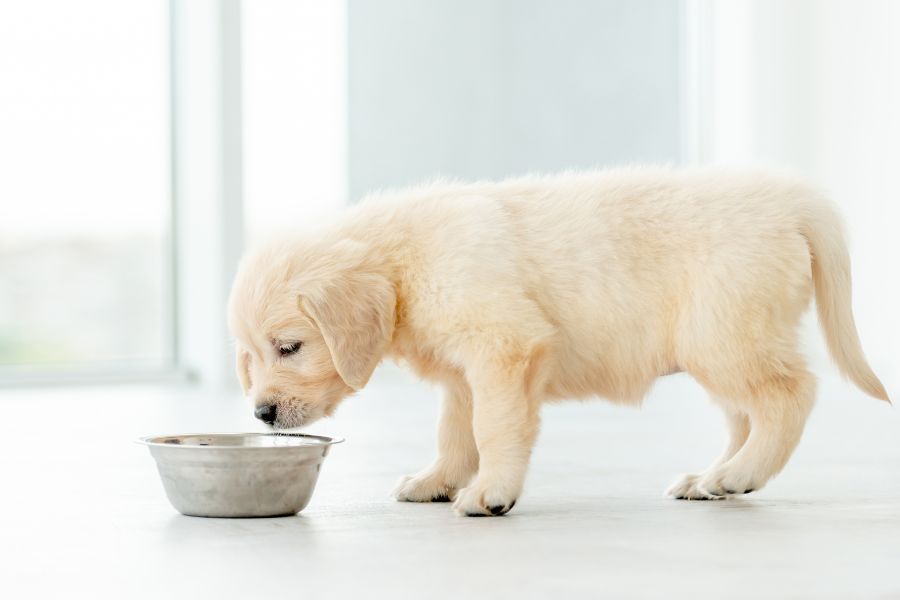


Potty training a puppy can feel overwhelming, especially during the first week at home. The good news is that with the right routine, consistency, and a vet-approved potty training method, most puppies can make major progress in just seven days. In this guide, we’ll walk you through a simple, realistic plan to potty train your puppy in 7 days, while sharing expert tips tailored for pet owners.
Why Early Potty Training Matters
Potty training isn’t just about keeping your floors clean; it’s about setting lifelong habits. Puppies thrive on structure, and starting early helps them understand where and when it’s appropriate to go.
Early potty training helps:
- Prevent bad habits from forming
- Reduce stress for both puppy and owner
- Build trust and communication
- Make future training easier
Local veterinarians often see behavioral issues rooted in inconsistent house training. That’s why a clear, vet-approved plan is essential.
What You Need Before You Start
Preparation is key to success. Before day one, gather these essentials:
- A crate that fits your puppy comfortably
- High-value training treats
- Enzyme-based cleaner for accidents
- A leash (even for backyard potty trips)
- A designated outdoor potty spot
Choose a consistent potty area outside. Weather changes can be unpredictable, so pick a spot that’s easy to access year-round.
Understanding Your Puppy’s Potty Schedule
Puppies have small bladders and limited control. A general rule is:
- Puppies can hold their bladder 1 hour per month of age
Most puppies need to go:
- First thing in the morning
- After meals
- After naps
- After playtime
- Before bedtime
Recognizing signs like sniffing, circling, or sudden restlessness will help you act fast and avoid accidents.
The 7-Day Vet-Approved Potty Training Plan
Day 1: Establish the Routine
Start strong by setting a strict schedule. Take your puppy outside:
- Every 1–2 hours
- Immediately after eating or drinking
Use a cue like “go potty” and stay calm. When they go in the right spot, praise and reward ithem mmediately.
Day 2: Introduce Crate Training
Crate training plays a big role in potty training success. Dogs naturally avoid soiling their sleeping area.
- Use the crate for short periods
- Take your puppy out immediately after letting them out
- Never use the crate as punishment
This helps your puppy learn bladder control safely and comfortably.
Day 3: Watch for Patterns
By day three, you’ll start noticing patterns in timing and behavior.
- Track when accidents happen
- Adjust potty breaks as needed
- Reinforce successful trips with treats and praise
Consistency is more important than perfection at this stage.
Day 4: Reduce Indoor Accidents
Accidents may still happen, and that’s okay.
- Clean accidents thoroughly with enzyme cleaner
- Avoid punishment, as it can cause fear and confusion
- Interrupt gently and take them outside if caught mid-accident
Positive reinforcement works far better than scolding.
Day 5: Increase Time Between Breaks
If your puppy is doing well, gradually extend the time between potty breaks.
- Add 15–30 minutes between trips
- Continue supervising closely
- Stick to the same potty spot
This builds confidence and bladder control.
Day 6: Practice Consistency Everywhere
Puppies don’t generalize well, so practice in different situations.
- Try potty breaks during short outings
- Keep the same verbal cue
- Maintain the reward system
This helps your puppy understand that potty rules apply everywhere.
Day 7: Review and Reinforce
By day seven, most puppies show noticeable improvement.
- Fewer accidents
- Clear potty signals
- Better routine understanding
Continue the schedule for several more weeks to lock in the habit. Potty training is a process, not a one-week miracle, but this plan builds a strong foundation.
Common Potty Training Mistakes to Avoid
Even well-meaning owners can slow progress by making these mistakes:
- Inconsistent schedules
- Too much freedom too soon
- Punishing accidents
- Skipping nighttime potty breaks
Avoiding these pitfalls will keep training on track.
Nighttime Potty Training Tips
Nighttime can be tricky, especially for young puppies.
- Limit water 1–2 hours before bed
- Take your puppy out right before sleeping
- Expect at least one nighttime potty break early on
As your puppy grows, nighttime accidents usually decrease naturally.
When to Call a Veterinarian
If your puppy:
- Has frequent accidents despite consistency
- Shows signs of pain while urinating
- Drinks excessive water
- Has diarrhea or urinary issues
It’s time to consult a veterinarian. Medical issues can interfere with potty training and should be ruled out early.
Conclusion
Potty training doesn’t have to be stressful. With patience, structure, and this vet-approved method to potty train your puppy in 7 days, you can set your new companion up for success. Stay consistent, celebrate small wins, and remember, every puppy learns at their own pace.
If you need extra guidance or notice ongoing issues, the veterinary team at Green Hills Veterinary Clinic is here to help. Book an appointment today to support your puppy’s healthy start.
FAQs
Q1: Can you really potty train a puppy in 7 days?
Ans: Most puppies can make significant progress in seven days, but full reliability usually takes several weeks of consistency.
Q2: How often should I take my puppy out to potty?
Ans: Every 1–2 hours, plus after meals, naps, playtime, and before bedtime.
Q3: What should I do if my puppy keeps having accidents indoors?
Ans: Review your schedule, increase supervision, and avoid punishment. Consistency is key.
Q4: Is crate training necessary for potty training?
Ans: Crate training is highly recommended because it helps puppies learn bladder control faster.
Q5: When should I talk to a vet about potty training problems?
Ans: If accidents persist despite proper training or you notice signs of illness, consult your veterinarian promptly.